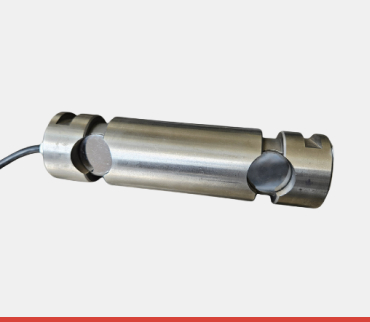
ALP-751 SPL 3

Loas Pin Special

Home / Products / Special Load Cell / ALP-751 SPL3

ALP-751 SPL 3

Loas Pin Special

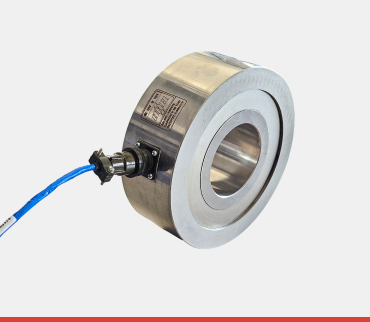
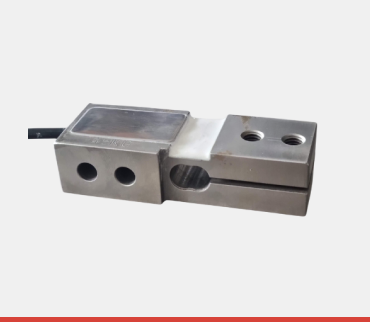
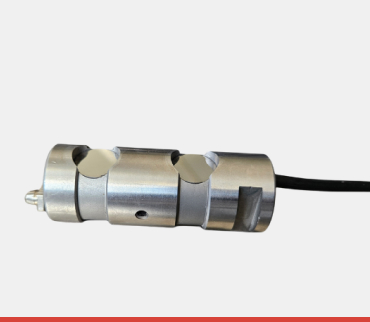
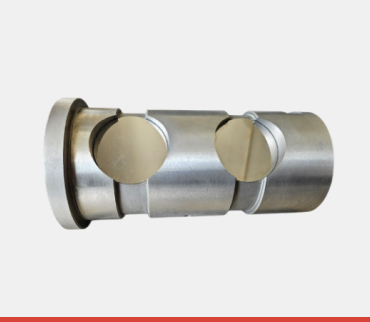
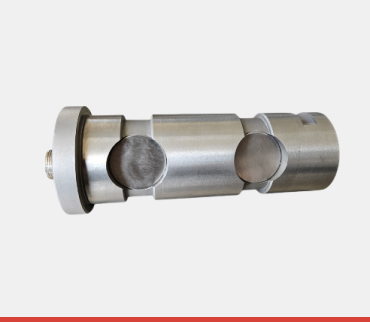
ADI ALP-751 load pin load cell is a specialized force sensor designed to replace the clevis, shear, or hinge pin in machinery or structural components to measure the tension or compression forces acting on the pin. The load pin is a solid cylindrical transducer machined to fit existing pin locations in equipment like shackles, cranes, winches, hoist mechanisms, and pivot points. It effectively becomes part of the structure being measured. They are highly robust, often made from stainless steel, and designed for harsh outdoor or industrial environments. They are sealed to withstand dust, moisture, and high impact loads. Load pins are ideal for applications requiring continuous force monitoring and safety oversight without altering the structural geometry of the equipment. Also known as model 70510

Product Type

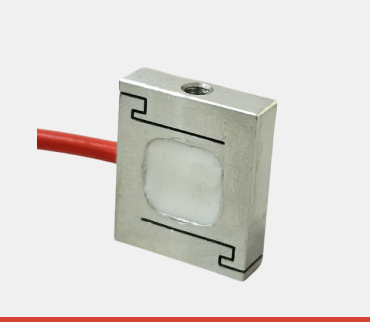
Single Point Aluminium Load Cell

Usage

Table top scales, Counting and postal scales, Check weighers.

Material

Aluminium

Output

 Analog Sensor

Theory

Resistance Sensor

Compensated Temperature

10 To 60 Celsius (oC)

Rated capacity (NM)

5, 10

Excitation Voltage

10 V DC – Maximum 15 V DC

Full Scale Output

2.0 mV / V

Non – Linearity

<± 0. 1 % FSO (Full scale Output)

Hysteresis

<± 0.1% FSO

Non-Repeatability

<± 0.1 % FS0

Creep error (30 minutes)

<± 0.3% FSO

Zero Output

± 1.0 % FSO

Input Resistance

392 ± 10 Ohms

Output Resistance

392 ± 10 Ohms

Insulation Resistance

>1000 Mega Ohms

Safe Overload

150 % of Rated Capacity

Ultimate Overload

250 % of Rated Capacity

Temperature
Compensated Range

10 to 60°C

Temperature Effect at Full Load

<0.05 % FSO/° C

Temperature Effect on
Zero

<0.05 % FSO/° C

Environment Protection

IP 65

Finish & Construction

Stain Less Steel 17-4 PH

Rotational Angular Deflection

< 0.2 at FSO

Industries

Batching & Mixing Plant
Silo Weighing
Hopper Weighing

Related Products

FAQs

frequently asked questions

01. How does a strain gauge load cell work?

The most common type, the strain gauge load cell, works on the principle of the Wheatstone bridge circuit:

  1. Strain Gauges: Thin, metallic foil resistors (strain gauges) are precisely bonded to the load cell’s spring element (or body).
  2. Deformation: When a force (weight) is applied, the metal body bends or deforms slightly.
  3. Resistance Change: This deformation causes the bonded strain gauges to stretch (increasing resistance) or compress (decreasing resistance).
  4. Signal Output: These resistance changes unbalance the Wheatstone bridge circuit, creating a tiny, proportional voltage output mV that is measured by an indicator or amplifier.
02. How often does a load cell need to be calibrated?

Load cells and the weighing systems they are part of require periodic calibration. While the load cell itself is a stable measuring element, calibration is necessary to ensure the entire system (cell + mounting hardware + electronics) is accurate.

  • Standard Practice: For commercial/industrial use, calibration is recommended at least once per year.
  • High Precision/Legal-for-Trade: Applications requiring high accuracy or regulated measurements (Legal-for-Trade) may require more frequent, certified calibration (e.g., every 6 months).
  • After Events: Calibration is always required after any mechanical or electrical modifications, repairs, overloads, or reinstallation.
03. What is the difference between Rated Output (Sensitivity) and Excitation Voltage?
  • Rated Output (Sensitivity): This is the fundamental performance specification, usually expressed in mV/V (millivolts per volt). It is the change in the output signal voltage when the cell is loaded to its full Rated Capacity E-MAX, divided by the Excitation Voltage supplied. A common value is mV/V
  • Excitation Voltage: This is the stable DC power supplied by the weighing indicator or amplifier to the load cell’s Wheatstone bridge circuit. Standard values are typically between 10 VDC and 15 VDC. The actual output signal (mV) is the product of the Rated Output and the Excitation Voltage. But nowadays few instrument with high precision IC’s & ADC also work on 3.3 VDC excitation.
04. What is the importance of the Load Cell Material (e.g., Stainless Steel) and its IP Rating?
  • > Material: The material (e.g., Alloy Steel or Stainless Steel) determines the cell’s mechanical strength and resistance to corrosion. Stainless steel is required for hygienic, washdown, or harsh chemical environments, while Alloy Steel is sufficient for dry, controlled indoor use.
  • > IP Rating: The Ingress Protection (IP) rating (e.g., IP67, IP68) indicates the sealing effectiveness of the internal strain gauges.
    • > IP67 means dust-tight and protected against temporary water immersion.
    • > IP68 means dust-tight and protected against continuous water immersion under pressure.
05. How is Creep defined, and why is it critical for continuous weighing applications?

Creep is defined as the change in the load cell’s output signal over time (t) while the applied load remains constant and all environmental factors (temperature) are stable.

  • > It is caused by the viscoelastic relaxation of the metal body under sustained stress.
  • > It is usually specified as the percentage of Rated Output measured over a standard period, such as 30 minutes.
  • > Criticality: A low creep specification is vital for applications like tank, silo, or hopper weighing, where a load may sit for hours or days, ensuring the displayed weight does not drift over that period.