







































The ADI Group traces its origins back to 1979 with the establishment of its first company, ANALOG & DIGITAL INSTRUMENTATION, marking the start of its long journey in the industrial measurement and control sector. The group expanded eight years later, in 1987, by founding ADI CONTROLS. In 1991 ADI ARTECH TRANSDUCERS PVT LTD, was formed through a specialized collaboration with ARTECH INC, USA. This multi-company structure evolved again in 2021 when ADI ARTECH TRANSDUCERS PVT LTD formally separated from the ADI Group, following the complete withdrawal of ownership stakes by both the ADI Group and ARTECH USA. ADI Group of companies now consist of ANALOG & DIGITAL INSTRUMENTATION & ADI CONTROLS.
No. ADI ARTECH TRANSDUCERS PVT LTD was an affiliated company until 2021. It formally separated from the ADI Group following the complete divestment of stakes by both the ADI Group and the US collaborator, ARTECH INC. ADI Group of companies now consist of ANALOG & DIGITAL INSTRUMENTATION & ADI CONTROLS.
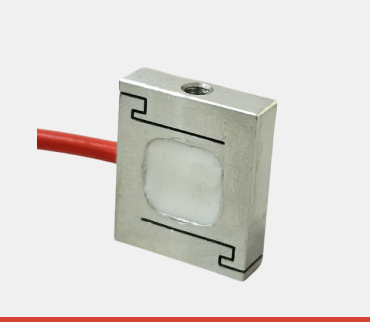
A load cell is a type of sensor that measures force or load. It converts mechanical force, such as weight or pressure, into an electrical signal that can be measured and processed. Load cells are commonly used in weighing scales, industrial equipment, and testing machines to ensure accurate force measurement. They come in various types, including strain gauge load cells, hydraulic load cells, and pneumatic load cells, each suitable for different applications.
A load cell works by converting mechanical force into an electrical signal. When weight or pressure is applied, the metal body slightly deforms, causing strain gauges to change resistance. This change is measured using a Wheatstone bridge circuit and converted into a precise, calibrated output that represents force or weight.
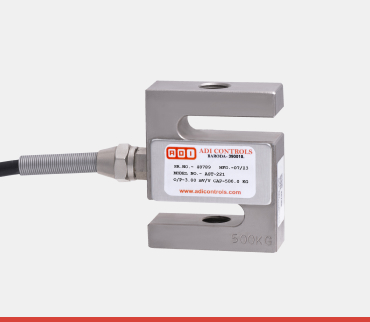
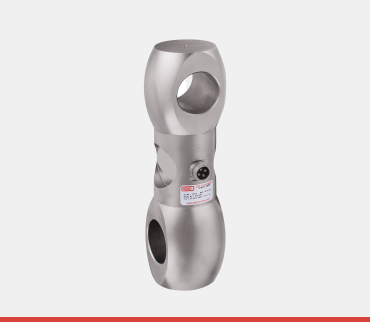
A tension load cell measures pulling or tensile forces, indicating how much an object is being stretched or suspended. Typically designed in S-type or Z-type shapes, it offers high precision and can sometimes measure both tension and compression. Common uses include crane weighing, cable tension monitoring, and material testing.
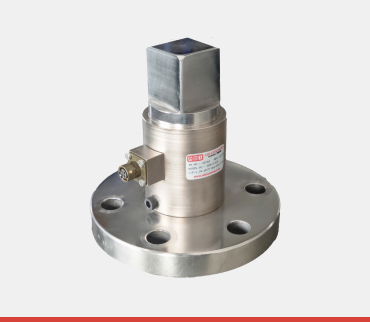
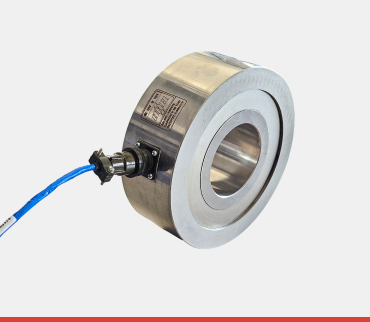
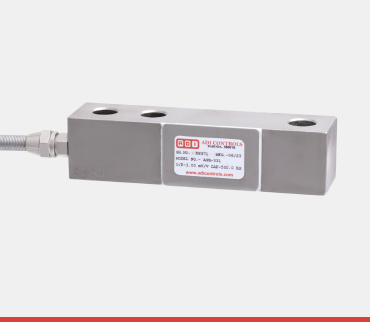
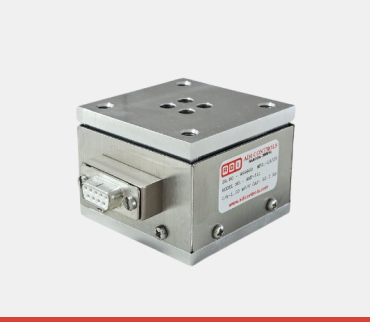
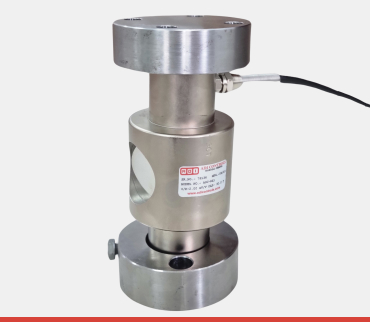
A compression load cell measures pushing or downward forces, indicating the amount of weight or pressure applied to a surface. Typically found in canister, button, or thru-hole designs, it’s used for industrial weighing, structural testing, vehicle scales, and silo or tank monitoring where accurate force measurement is crucial.
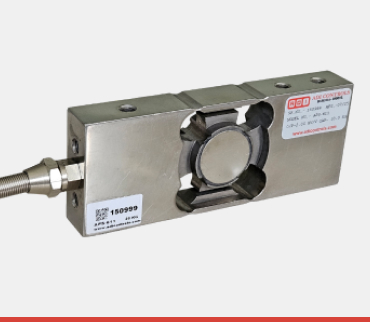
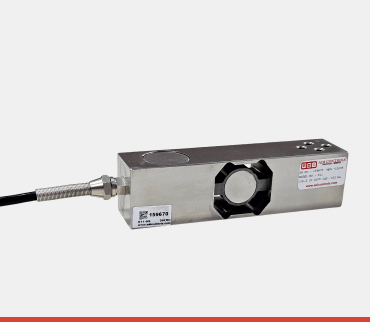
A single-point load cell is designed to measure weight from a single location while maintaining accuracy across the entire platform. It’s commonly used in bench scales, retail weighing machines, and small platforms, where precise readings are needed even if the load isn’t perfectly centred.
As the Director of Acurel Weighing Systems Pvt. Ltd., I am pleased to share our positive experience with your Load Cells. We have found the product quality to be consistently reliable and accurate, meeting the high standards required in our weighing systems.In addition, your competitive pricing, prompt after-sales support, and flexibility in offering customized solutions have added great value to our operations. We truly appreciate your commitment to quality and customer satisfaction and look forward to continuing this successful partnership.
As systems integrators, we prioritize components that are easy to integrate. The robust connectivity and clear documentation for load cells made installation fast—it was truly plug-and-play. Their expert technical support was crucial in helping us achieve a seamless and successful deployment for our end-client. Top performance and excellent service.
WhatsApp us