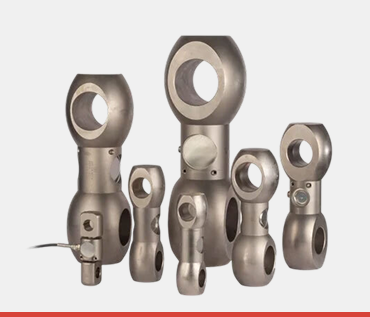
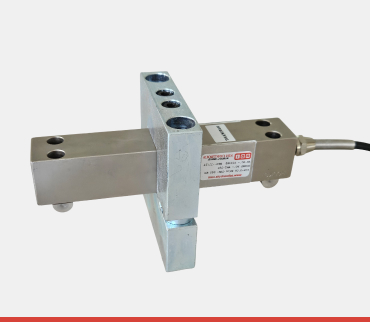
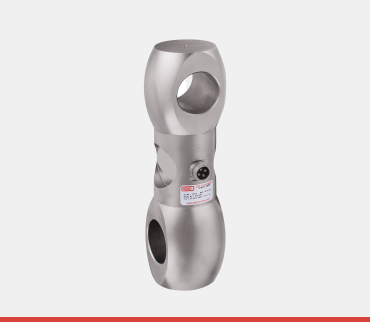
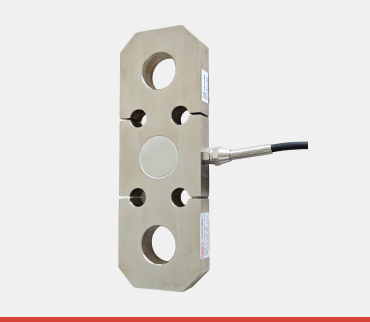
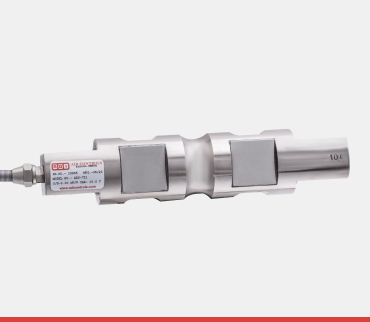
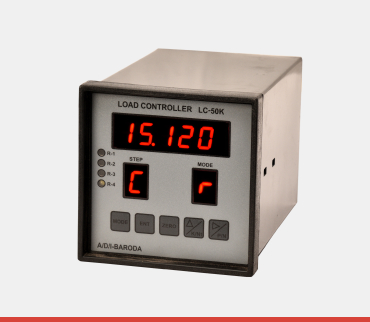
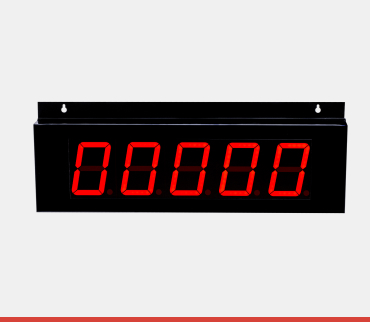
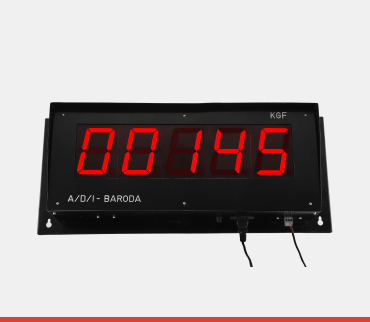
Electric Overhead Traveling (EOT) cranes are indispensable in industrial settings, used for lifting and moving extremely heavy loads across a factory floor or bay. The primary use of load cells in EOT cranes is not batching but ensuring operational safety and preventing catastrophic failure via Overload Protection Systems (OPS). The load cell, commonly a rugged Load Pin (replacing an existing axle in the hoist rope dead end or sheave assembly) or a Tension Link (installed directly above the hook), continuously measures the force applied. This real-time signal is sent to an Adi Controls safe load indicator (SLI) or controller. If the lifted load approaches or exceeds the crane’s Safe Working Load (SWL), the controller automatically triggers visual/audible alarms and, critically, cuts off the ‘UP’ motion of the hoist, thereby preventing overstressing the crane’s structure, wire ropes, and motors, and protecting personnel.
Load cells help measure lifted loads accurately to ensure safe and controlled crane operations.
They prevent overloading by providing real time weight data and overload protection.
It measures the load during lifting and displays real time weight information to the operator.
Yes, they reduce manual checks and speed up material handling processes.
WhatsApp us