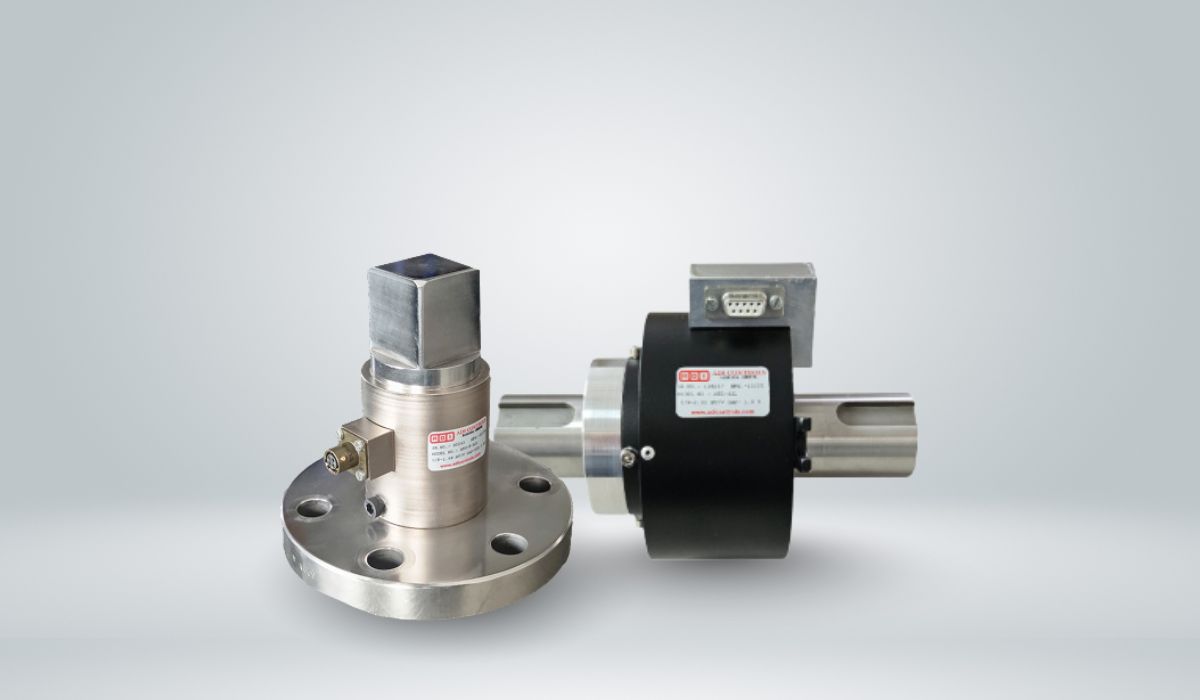
In the world of engineering and machinery, torque—the twisting or rotational force applied to an object—is a critical parameter. From the power steering in your car to the massive turbines generating electricity, measuring this force accurately is vital for performance, efficiency, and safety. This is where the Torque Transducer comes in.
A torque transducer, often also called a torque sensor or torque meter, is a device that converts the mechanical input of torque (rotational force) into a measurable electrical output signal.
The most common way this is achieved is through strain gauge technology .
Torque transducers are primarily categorized by the type of motion they measure:
Torque transducers play a vital role in enabling closed-loop control of systems, providing overload protection, and delivering the data necessary for system optimization and efficiency. They are truly the unsung heroes of precision engineering!
WhatsApp us