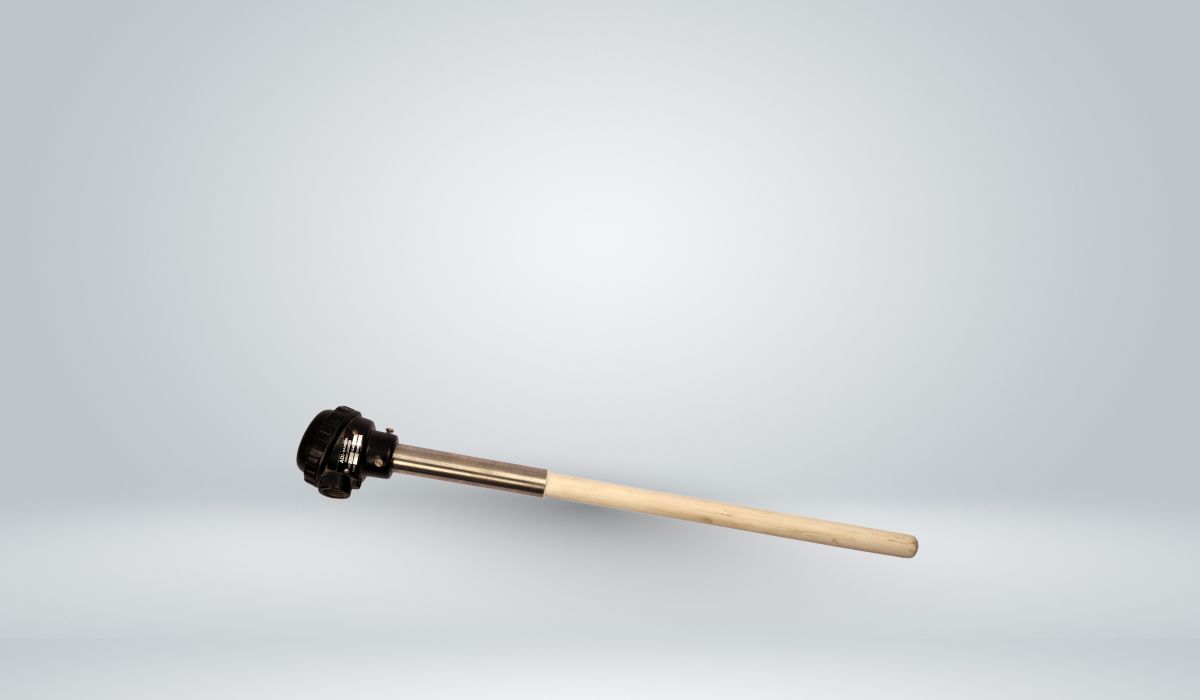
Temperature is one of the most frequently measured parameters in both the industrial world and our daily lives. Behind this critical measurement is the unsung hero: the temperature sensor. This little device acts as a silent sentinel, ensuring everything from the proper functioning of your car engine to the consistent brewing of your coffee.
A temperature sensor is a device that measures heat energy and converts it into a usable electrical signal. It doesn’t measure temperature directly; rather, it measures a physical change that occurs in the sensor’s material as a result of temperature variations.
This change could be a variation in electrical resistance, voltage, or current, which is then calibrated to an accurate temperature reading.
While many variations exist, almost all industrial and consumer temperature sensing falls under one of four main categories.
2. Resistance Temperature Detectors (RTDs)
3. Signal Conditioning
4. Integrated Circuit (IC) Sensors / Semiconductor Sensors
Where Are These Sensors Used? (Beyond Your Thermostat)
Temperature sensors are critical control points across nearly every industry:
| Industry | Industry Application | Sensor Type Often Used |
|---|---|---|
Manufacturing |
Monitoring critical process temperatures (e.g., in distillation columns or reactors). |
RTD, Thermocouple |
HVAC |
Controlling building climate for comfort and energy efficiency. |
Thermistor, IC Sensor |
Automotive |
Engine cooling, exhaust gas temperature measurement, battery monitoring in EVs. |
Thermistor, Thermocouple |
Food & Beverage |
Ensuring precise pasteurization and cooking temperatures for safety. |
RTD |
Data Centers |
Monitoring rack and server temperatures to prevent overheating and failure. |
IC Sensor |
Selecting the correct temperature sensor involves balancing a few key trade-offs:
The next time you see a temperature reading—whether on an industrial display or your home smart device—remember the quiet complexity of the temperature sensor working tirelessly behind the scenes.
WhatsApp us