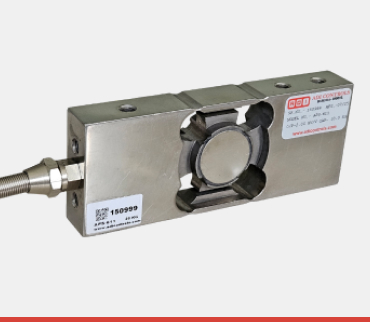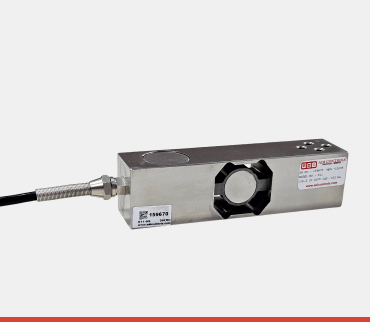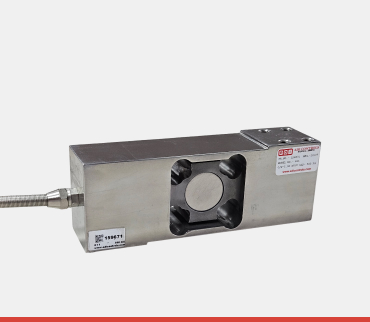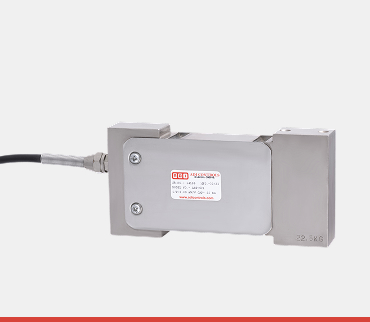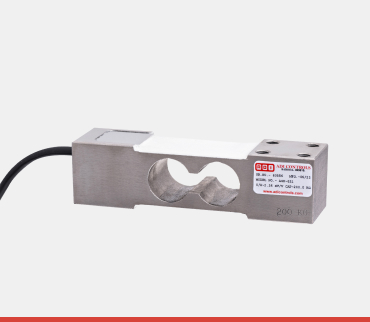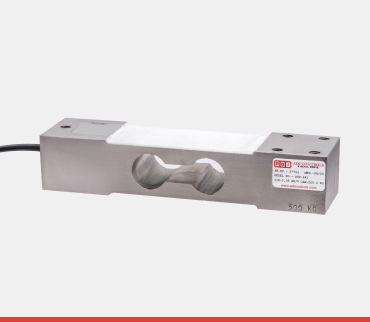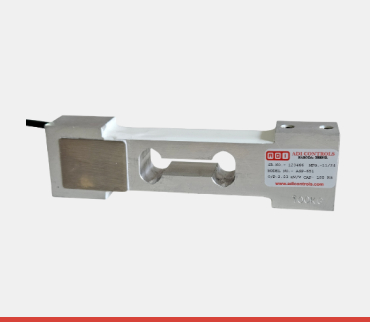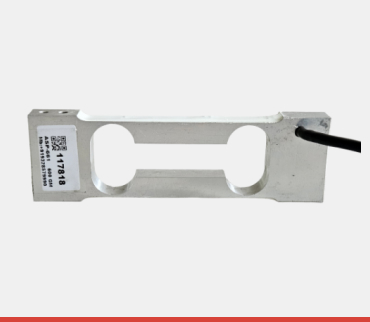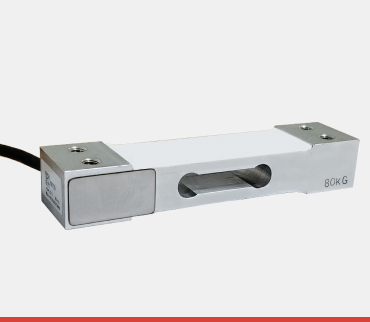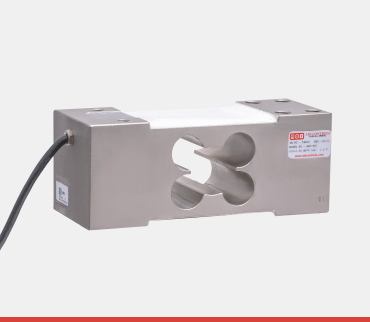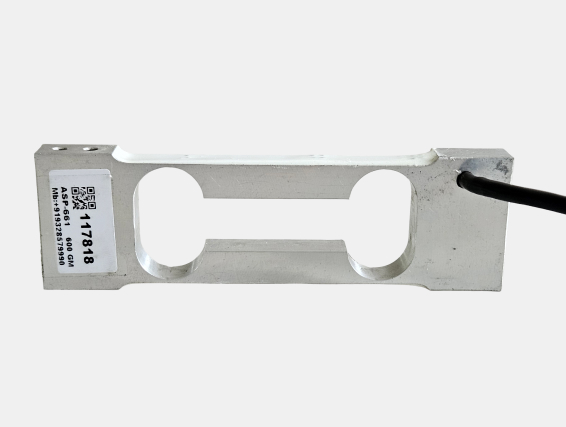
The ADI CONTROLS Model ASP-661-L is a strain gauge–based, low-profile miniature bending beam load cell specially designed for jewelry and tabletop scales. It offers excellent accuracy and is optimized to minimize eccentric load effects, ensuring consistent and precise measurements. Compact and reliable, the ASP-661-L is the ideal choice for small-scale weighing applications, also referred to as Model 60610-L.
Product Type
Single Point Aluminium Off Center Load Cell
Usage
Table Top Scales, Jewelry Scales
Material
Aluminium
Output
Analog Output mV/V
Theory
Strain Gauge Principle
Compensated Temperature
0°C to 60°C
Rated capacity (Kgf)
600, 1000 Gram
Excitation Voltage
10VDC-Maximum 15 VDC
Rated Output
1.2 mV / V
Non – Linearity
< ± 0.025 % FSO (Full scale Output)
Hysteresis
< ± 0.02 % FSO
Non-Repeatability
< ± 0.01 % FSO
Creep error (30 minutes)
<+ 0.03 % FS0
Zero Load Output
± 1.0 % FSO
Input Resistance
420 ± 20 Ohms
Output Resistance
350 ± 10 Ohms
Insulation Resistance
>1000 Mega Ohms
Safe Overload
150 % of Rated Capacity
Ultimate Overload
250 % of Rated Capacity
Temperature
Compensated Range
0 to 60° C
Temperature Effect on
Output
<0.0015 % FSO/° C
Temperature Effect on
Zero
< 0.002 % FSO/° C
Max. Platform Size
120 mm Dia.
Deflection
< 0.4 mm at FSO
Finish & Construction
Aluminium Alloy
Environment Protection
IP 65
A single point load cell (also known as a platform load cell or parallel beam load cell) is a type of force sensor designed to provide an accurate reading regardless of the position of the load on its weighing platform. It achieves this by having a minimal sensitivity to off-center loading.
The primary advantage is its independence from eccentric loading (off-center loading). Since its design inherently compensates for varying load positions, you only need one single point load cell to measure the weight accurately on a given platform, simplifying the mechanical design and calibration of the weighing system.
| Feature | Aluminium | Stainless Steel |
| Cost | Lower | Higher |
| Environment | Dry, clean applications | Harsh, wet, or corrosive environments |
| Sealing | Typically IP65 | Usually IP67 or IP68 (better moisture protection) |
| Typical Use | Bench scales, check weighers | Food processing, washdown areas |
Proper installation is critical for accuracy:
WhatsApp us