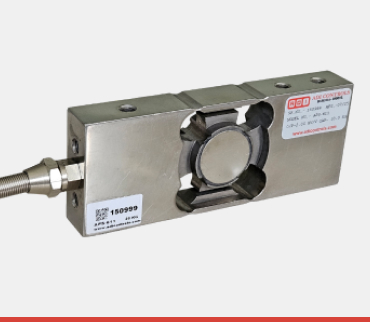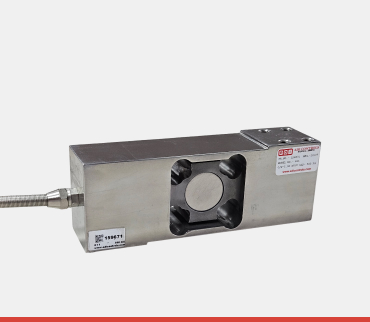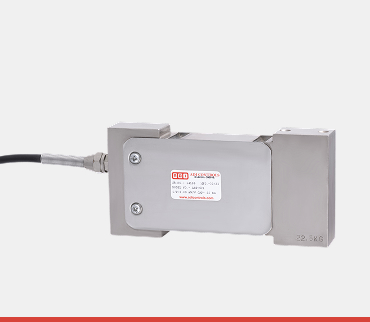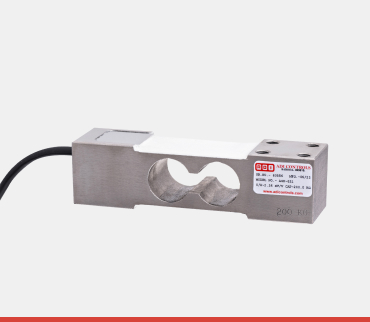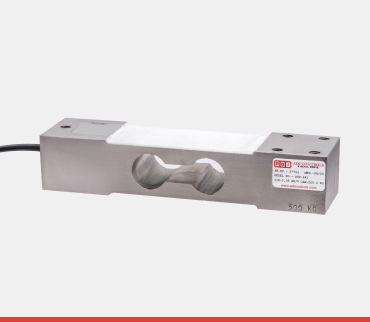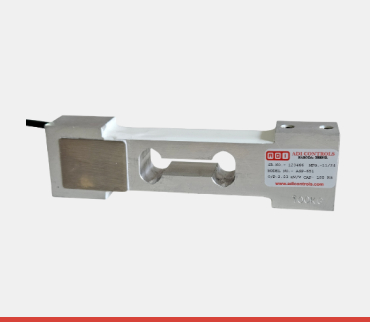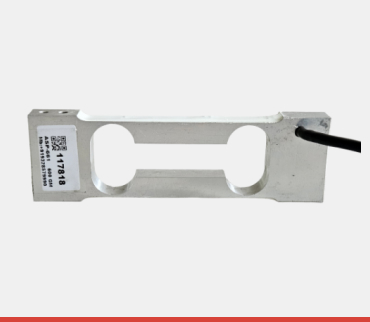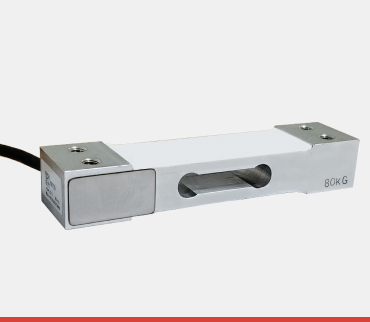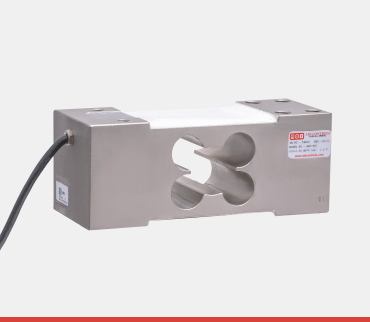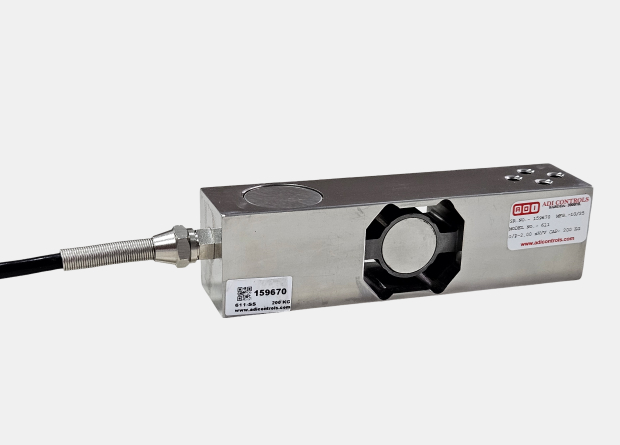
ADI Model ASP-611 is a high-precision weighing instrument distinguished by its robust construction and specialized design for demanding industrial use. It is a single-point load cell, a design that enables accurate, moment-insensitive weighing even when the load is applied off-center on a platform (within specified limits). The load cell’s unique construction paired with the corrosion-resistant and high-strength SS 17-4 PH stainless steel is the definitive reason for its industrial suitability.
Product Type
Single Point Off Center Load Cell
Usage
Low-Capacity Platform Scales, Multi-Head Packaging Machines, Check Weighers, Loss-in-Weight Feeders, Belt Scales, General Process Weighing
Material
Stain Less Steel SS-17/4 PH
Output
Analog Output mV/V
Theory
Strain Gauge Principle
Compensated Temperature
0°C to 60°C
Rated capacity (Kgf)
50, 100, 200, 300
Excitation Voltage
10VDC-Maximum 15 VDC
Rated Output
2.0 mV/V
Non – Linearity
< ± 0.025 % FSO (Full scale Output)
Hysteresis
< ± 0.02 % FSO
Non-Repeatability
< ± 0.01 % FSO
Creep error (30 minutes)
< ± 0.03 % FSO
Zero Load Output
± 1.0 % FSO
Input Resistance
390 ±15 Ohms
Output Resistance
350 ±5 Ohms
Insulation Resistance
>1000 Mega Ohms
Cable length
3 meters
Safe Overload
150 % of Rated Capacity
Ultimate Overload
250 % of Rated Capacity
Temperature
Compensated Range
0 to 60° C
Temperature Effect on
Output
<0.0015 % FSO/° C
Temperature Effect on
Zero
< 0.002 % FSO/° C
Max. Platform Size
600 x 600 mm
Off Center Load Error
< 0.02% of FSO at 1/3 rated
load/250mm off center
Deflection
< 0.5 mm at FSO
Finish & Construction
tainless Steel SS-17/4PH
Environment Protection
IP-68
A single point load cell (also known as a platform load cell or parallel beam load cell) is a type of force sensor designed to provide an accurate reading regardless of the position of the load on its weighing platform. It achieves this by having a minimal sensitivity to off-center loading.
The primary advantage is its independence from eccentric loading (off-center loading). Since its design inherently compensates for varying load positions, you only need one single point load cell to measure the weight accurately on a given platform, simplifying the mechanical design and calibration of the weighing system.
| Feature | Aluminium | Stainless Steel |
| Cost | Lower | Higher |
| Environment | Dry, clean applications | Harsh, wet, or corrosive environments |
| Sealing | Typically IP65 | Usually IP67 or IP68 (better moisture protection) |
| Typical Use | Bench scales, check weighers | Food processing, washdown areas |
Proper installation is critical for accuracy:
WhatsApp us