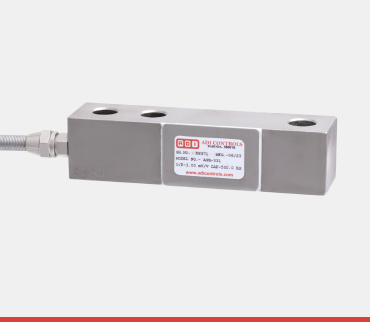
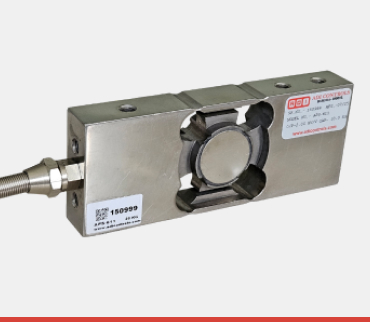
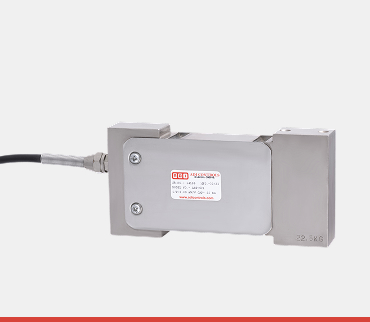
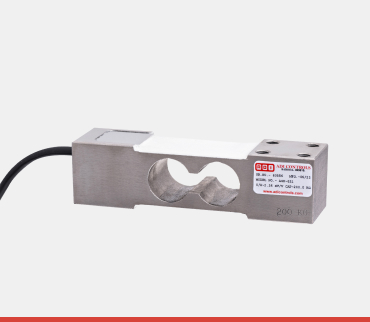
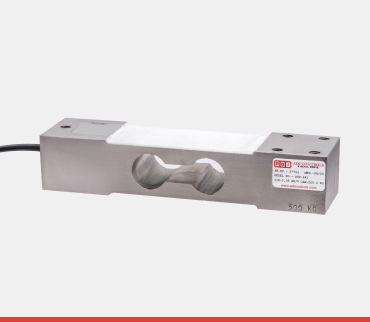
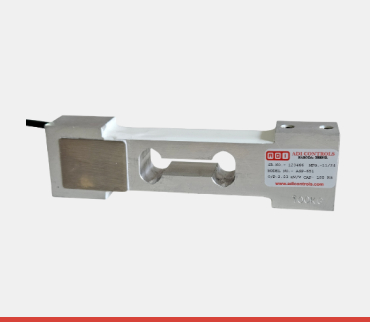
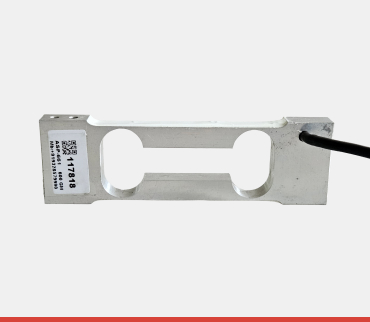
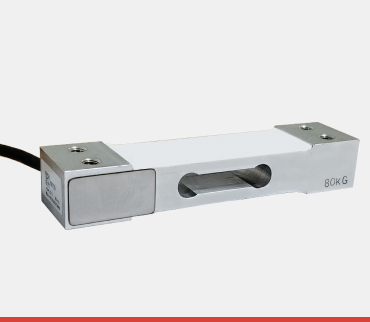
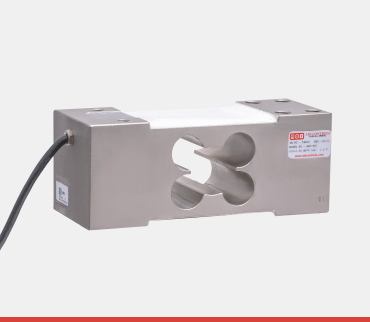
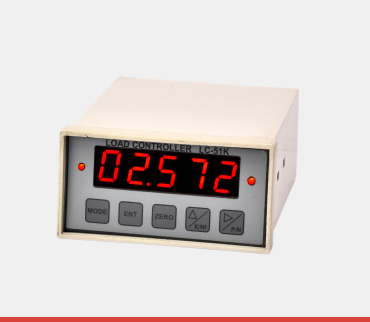
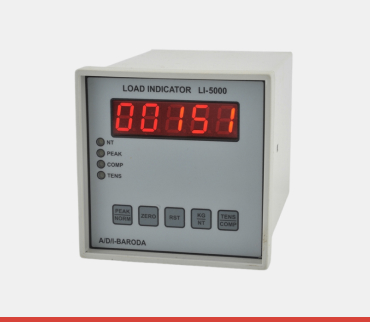
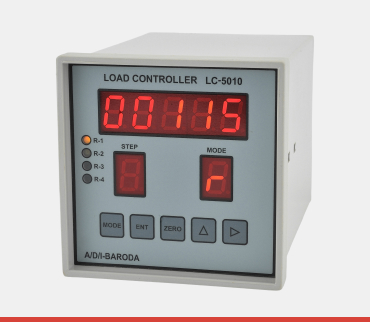
A fundamental weighing scale is the most common application of modern weighing technology, spanning everything from high-precision laboratory balances to industrial bench scales. At its core, the scale relies on a high-accuracy load cell (often a single-point, beam, or S-type cell) placed beneath the weighing platform. This load cell acts as the transducer, converting the applied weight into a minute electrical signal proportional to the force. This signal is then fed to the dedicated weighing instrument or indicator. This instrument is responsible for critical functions: providing a stable excitation voltage to the load cell, amplifying the weak millivolt signal, filtering out ambient electronic noise and mechanical vibration, performing the high-speed analog-to-digital conversion, and applying calibration factors. The resulting digital output is the final, stable weight reading displayed to the user, ensuring the scale provides reliable and legally traceable measurements essential for commerce and quality control.
They are used to measure weight accurately in manufacturing, logistics, and process industries.
Load cells convert applied weight into electrical signals for precise measurement.
They offer high accuracy, faster operation, and easy digital data handling.
Common types include platform scales, bench scales, floor scales, and pallet scales.
WhatsApp us