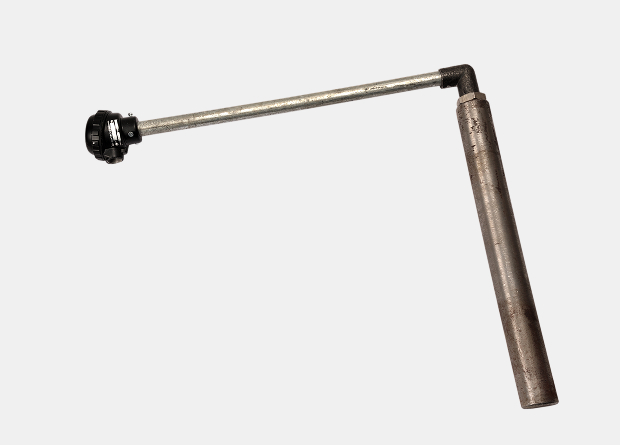
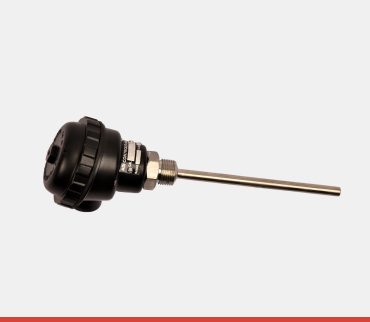
The DSQ-L type CR/AL Thermocouple is a specific industrial temperature sensor defined by its material composition, measurement principle, and physical shape, making it suitable for high-temperature process applications, particularly in molten metal environments.
1. Thermocouple Type (CR/AL)
• CR/AL is the abbreviation for Chromel (Nickel-Chromium) and Alumel (Nickel-Aluminum).
• This material pairing defines the sensor as a Type K Thermocouple.
• Characteristics:
• Widest Range: Type K is the most common industrial thermocouple, known for its wide operating temperature range, typically from 0°C up to 1260°C (though continuous use is often limited to around 1100°C.
• Reliability: It offers good accuracy and is reliable in general-purpose, oxidizing atmospheres.
2. Physical Form Factor (L-Type)
• The L-Type designation refers to the sensor’s physical configuration: it is an L-shaped or right-angled probe.
• Purpose: This design is specifically engineered for applications where the sensor needs to be inserted into a vessel (like a furnace or tank) at 90° angle, allowing the sensitive tip to be immersed in the process fluid (e.g., molten metal) while keeping the wiring head and connections safely away from the direct heat zone or clear of machinery.
Product Type
Single Point Aluminium Load Cell
Usage
Table top scales, Counting and postal scales, Check weighers.
Material
Aluminium
Output
Analog Sensor
Theory
Resistance Sensor
Compensated Temperature
10 To 60 Celsius (oC)
Rated capacity (NM)
5, 10
Excitation Voltage
10 V DC – Maximum 15 V DC
Full Scale Output
2.0 mV / V
Non – Linearity
<± 0. 1 % FSO (Full scale Output)
Hysteresis
<± 0.1% FSO
Non-Repeatability
<± 0.1 % FS0
Creep error (30 minutes)
<± 0.3% FSO
Zero Output
± 1.0 % FSO
Input Resistance
392 ± 10 Ohms
Output Resistance
392 ± 10 Ohms
Insulation Resistance
>1000 Mega Ohms
Safe Overload
150 % of Rated Capacity
Ultimate Overload
250 % of Rated Capacity
Temperature
Compensated Range
10 to 60°C
Temperature Effect at Full Load
<0.05 % FSO/° C
Temperature Effect on
Zero
<0.05 % FSO/° C
Environment Protection
IP 65
Finish & Construction
Stain Less Steel 17-4 PH
Rotational Angular Deflection
< 0.2 at FSO
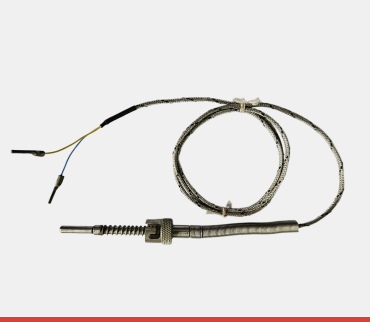
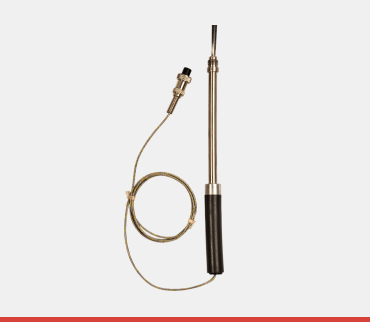
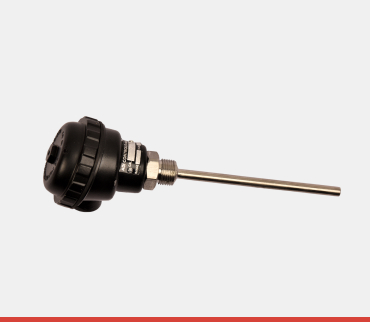
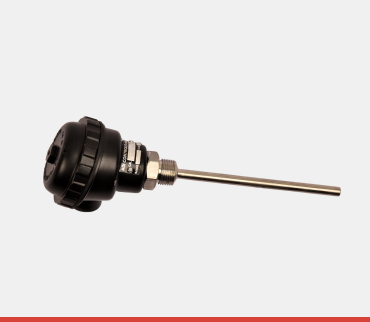
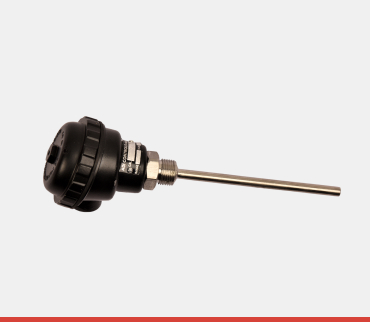
A temperature sensor is a device that gathers information about the thermal energy (heat) of a medium and converts that information into a readable electrical signal. Essentially, it measures heat and outputs a corresponding signal (voltage, current, or resistance) that can be interpreted by a control system or thermometer.
The three most widely used types of temperature sensors are:
The temperature reading needs to be converted into an electrical signal (like a voltage or current) so it can be:
Temperature sensing is foundational to industrial control and everyday technology:
WhatsApp us