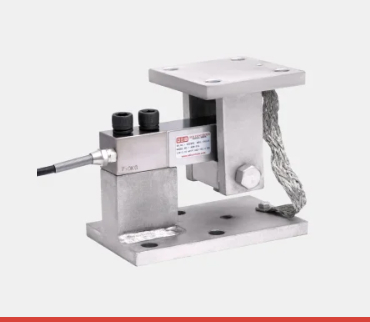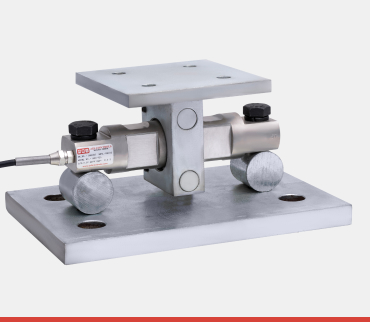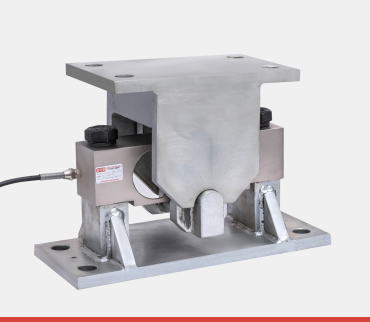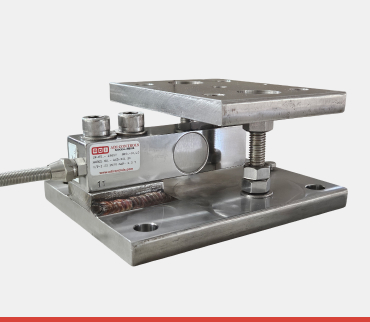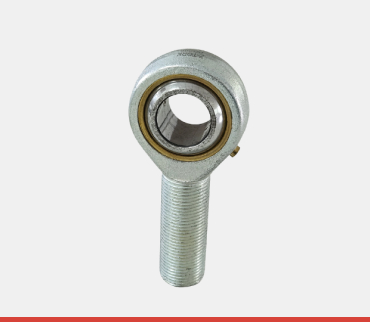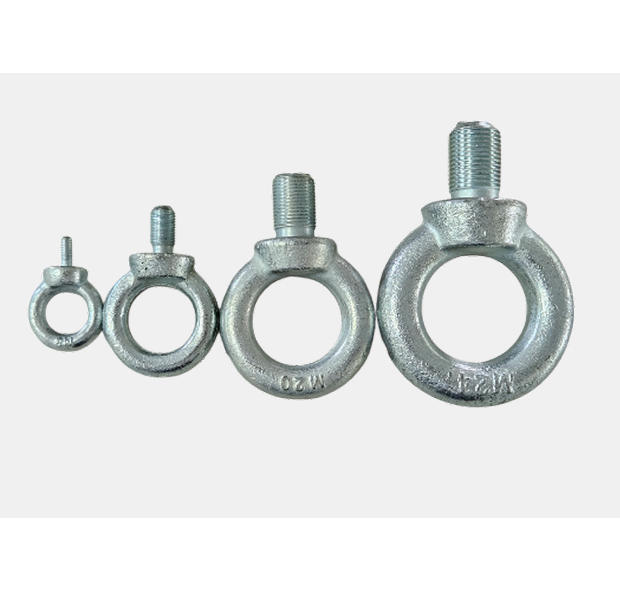
Load Cell I-Bolt (or Eye Bolt) refers to a specific piece of hardware accessory used to connect a load cell, typically an S-Type Load Cell, to the application’s structure, primarily in tension-weighing applications.
Product Type
Single Point Aluminium Load Cell
Usage
Table top scales, Counting and postal scales, Check weighers.
Material
Aluminium
Output
Analog Sensor
Theory
Resistance Sensor
Compensated Temperature
10 To 60 Celsius (oC)
Rated capacity (NM)
5, 10
Excitation Voltage
10 V DC – Maximum 15 V DC
Full Scale Output
2.0 mV / V
Non – Linearity
<± 0. 1 % FSO (Full scale Output)
Hysteresis
<± 0.1% FSO
Non-Repeatability
<± 0.1 % FS0
Creep error (30 minutes)
<± 0.3% FSO
Zero Output
± 1.0 % FSO
Input Resistance
392 ± 10 Ohms
Output Resistance
392 ± 10 Ohms
Insulation Resistance
>1000 Mega Ohms
Safe Overload
150 % of Rated Capacity
Ultimate Overload
250 % of Rated Capacity
Temperature
Compensated Range
10 to 60°C
Temperature Effect at Full Load
<0.05 % FSO/° C
Temperature Effect on
Zero
<0.05 % FSO/° C
Environment Protection
IP 65
Finish & Construction
Stain Less Steel 17-4 PH
Rotational Angular Deflection
< 0.2 at FSO
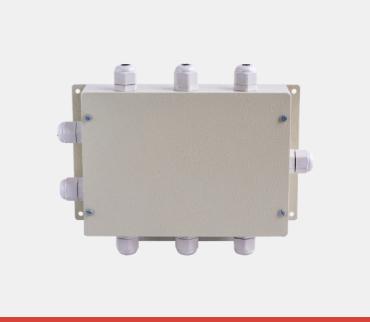
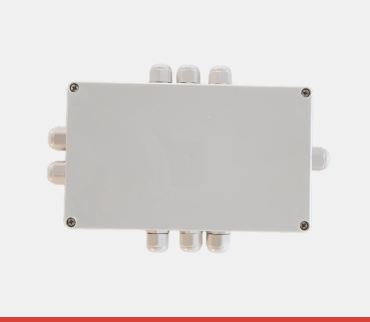
Load cell accessories are the mechanical and sometimes electrical components used to correctly install, protect, and interface a load cell with the application. They ensure the load cell is loaded properly, preventing inaccurate readings and damage from off-center loads, side loads, or harsh environments.
Compatibility is primarily determined by the load cell’s mechanical interface (e.g., thread size, pin diameter, hole spacing) and its capacity. Always refer to the load cell’s data sheet for recommended accessories, or use our website’s compatibility filter.
Rod Ends/Eye Bolts are typically used with S-Type (S-Beam) load cells in tension applications. They allow for some self-alignment to minimize side-loading, ensuring the force is pulled directly along the cell’s central axis.
A Load Button (or compression cap) is a small, domed accessory used on the top of certain canister or low-profile load cells to apply a concentrated, centered compression force.
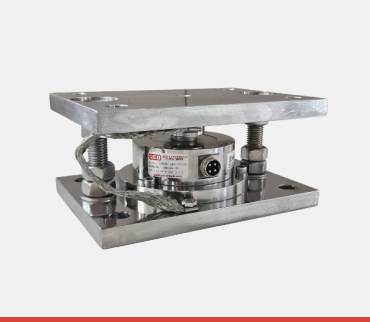
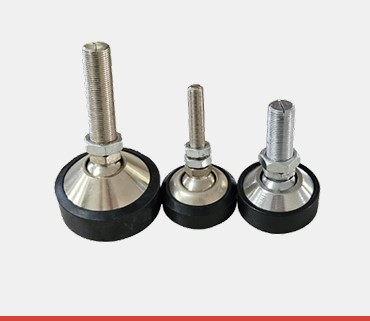
A mounting base is used to provide a solid, level, and often self-aligning foundation for a load cell (especially canister or beam types) to sit on. They ensure the cell is securely attached to the structure and often help achieve proper load introduction for high accuracy.
These accessories are used in tension applications to connect the load cell to the structure or the object being weighed. The spherical bearing or pin assembly allows the load cell to rotate slightly under load, minimizing the transfer of bending moments and shear forces, which drastically improves accuracy and longevity.
WhatsApp us