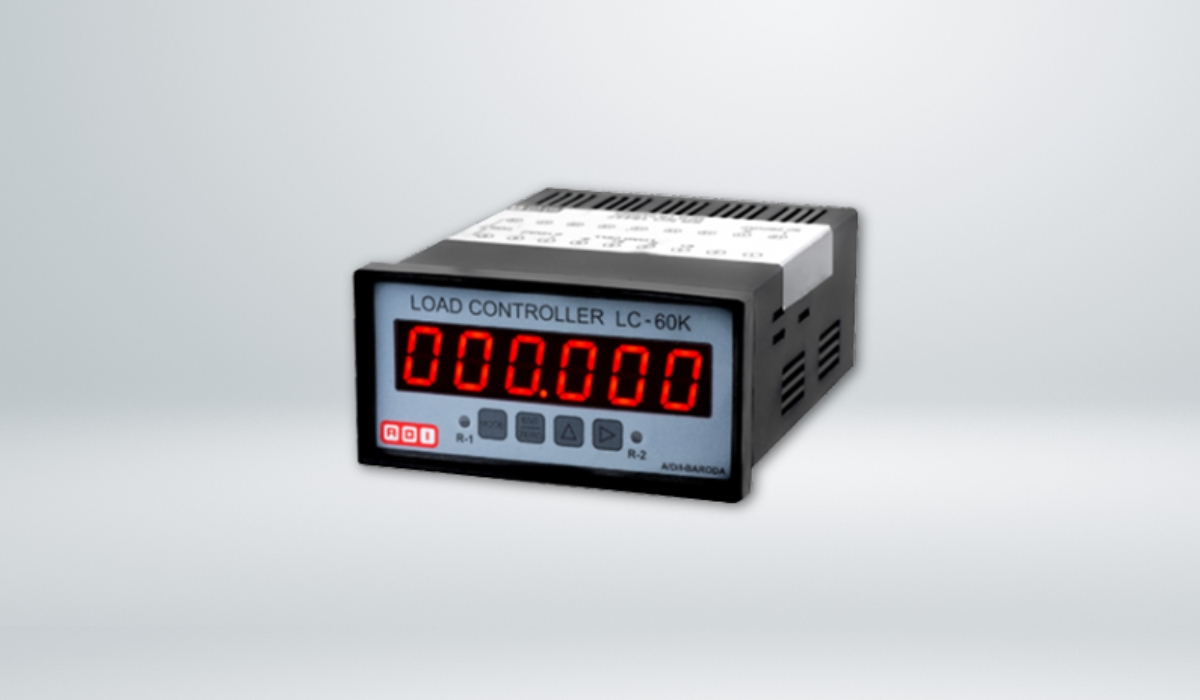
In today’s competitive industrial landscape, precision and efficiency are paramount. Batch processing systems, which are fundamental to industries ranging from pharmaceuticals to food manufacturing, rely heavily on accurate measurements to maintain product quality and operational consistency. At the heart of these systems lies a critical component: the weight sensor, also known as a load cell.
Weight sensors are sophisticated devices that convert mechanical force into measurable electrical signals. In batch processing environments, these sensors serve as the eyes and ears of the operation, continuously monitoring material quantities with exceptional accuracy. Whether you’re mixing chemicals, blending ingredients, or formulating pharmaceutical compounds, the reliability of your weight sensor directly impacts your bottom line.
Modern weight sensors have evolved far beyond simple measurement tools. They integrate seamlessly with automated control systems, enabling real-time adjustments and ensuring that each batch meets stringent quality standards. This level of precision is especially crucial in industries where even minor deviations can result in product rejection, regulatory non-compliance, or safety hazards.
The batch processing journey begins with raw material dispensing, where weight sensors ensure that exact quantities are added to the mixing vessel. This initial accuracy sets the foundation for the entire production cycle. Advanced load cells mounted on hoppers or silos provide continuous weight monitoring, triggering automated valves to dispense precisely the required amount of each ingredient.
In industries like food processing and pharmaceuticals, recipe consistency is non-negotiable. Weight sensors enable automated batching systems to follow complex formulations with minimal human intervention. The system reads target weights from a recipe database and controls material flow until each component reaches its specified quantity. This automation not only improves accuracy but also enhances traceability and documentation for regulatory compliance.
Weight sensors contribute significantly to quality control by providing data that can be analyzed to identify trends, detect anomalies, and optimize processes. By tracking batch weights over time, manufacturers can identify equipment wear, calibration drift, or ingredient quality issues before they compromise product quality. This predictive maintenance approach reduces downtime and extends equipment lifespan.
Selecting the appropriate weight sensor for your batch processing system requires careful consideration of several factors. The capacity rating must align with your typical batch sizes while providing overload protection. Environmental conditions such as temperature fluctuations, humidity, and exposure to corrosive materials demand sensors with appropriate ingress protection ratings and material construction.
Accuracy specifications should match your process requirements. While pharmaceutical and chemical industries often require accuracy within 0.01% to 0.05%, other applications may function effectively with slightly broader tolerances. The response time of your weight sensor also matters, especially in high-speed filling operations where rapid stabilization prevents production bottlenecks.
Today’s batch processing facilities leverage sophisticated automation platforms that depend on reliable weight data. Weight sensors with digital outputs simplify integration with programmable logic controllers and distributed control systems. Many modern load cells feature built-in signal conditioning, temperature compensation, and diagnostic capabilities, enhancing system reliability and reducing installation complexity.
The rise of Industry 4.0 has introduced new opportunities for weight-sensor applications. Sensors with IoT connectivity enable remote monitoring, predictive analytics, and integration with enterprise resource planning systems. This connectivity transforms weight sensors from simple measurement devices into valuable sources of operational intelligence.
Implementing high-quality weight sensors delivers measurable benefits across multiple dimensions. Material waste reduction stands out as an immediate advantage, as precise dispensing eliminates overfilling and ensures efficient raw material utilization. In high-volume operations, even small percentage improvements in accuracy translate to significant cost savings.
Consistency in product quality builds customer confidence and reduces rejection rates. When every batch maintains the same composition, manufacturers can predict product behaviour, optimize downstream processes, and deliver reliable performance to end users. This consistency also simplifies inventory management and production planning.
Regulatory compliance becomes more manageable with accurate batch records automatically generated by weighing systems. Industries subject to good manufacturing practices or food safety regulations benefit from comprehensive documentation trails that demonstrate process control and product integrity.
The longevity and accuracy of weight sensors depend on proper installation, regular calibration, and preventive maintenance. Mounting systems should isolate sensors from external vibrations and mechanical stresses that could affect readings. Environmental protection through appropriate housing prevents contamination and corrosion that degrade sensor performance.
Calibration schedules should reflect your process criticality and regulatory requirements. While some applications may require monthly verification, others maintain accuracy with quarterly or annual calibration cycles. Automated calibration systems can simplify this process by performing routine checks and alerting operators to deviations.
Weight sensors represent a fundamental investment in the efficiency and quality of batch processing operations. As manufacturing demands continue to evolve toward greater precision and automation, the role of these sensors becomes increasingly critical. Selecting sensors from established manufacturers with proven track records in industrial applications ensures that your batching system delivers consistent performance for years to come.
Whether you’re upgrading existing equipment or designing new batch processing facilities, partnering with experienced suppliers who understand your specific application requirements makes the difference between adequate performance and operational excellence. The right weight sensor solution not only measures accurately, but it also becomes an integral component of your quality assurance and process optimization strategy.
Discover ADI Controls’ comprehensive range of industrial load cells and weight sensors designed for demanding batch processing applications. With over 46 years of manufacturing excellence, we deliver precision you can trust. Contact our technical team today to find the perfect weighing solution for your specific requirements.
A weight sensor measures the exact quantity of materials added during batching to ensure accuracy, consistency, and quality control.
By providing real-time weight data, the system can automatically adjust material flow to match recipe requirements precisely.
Industries such as food manufacturing, chemicals, pharmaceuticals, and specialty materials rely heavily on weight sensors for precise batching.
Accuracy depends on the application, but critical industries often require accuracy levels between 0.01 percent and 0.05 percent.
Calibration frequency depends on process criticality and regulations, ranging from monthly checks to annual verification.
WhatsApp us