ATD-431

Dynamic Torque Transducer

ATD-431

Dynamic Torque Transducer

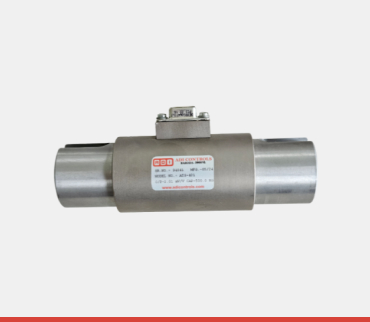
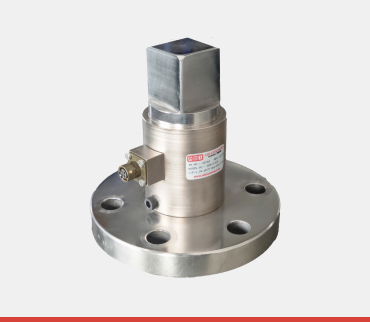
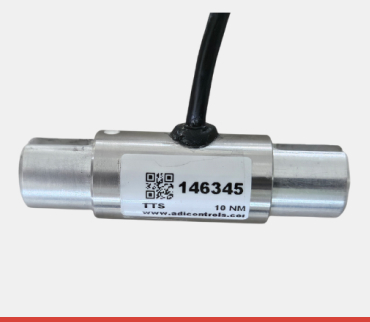
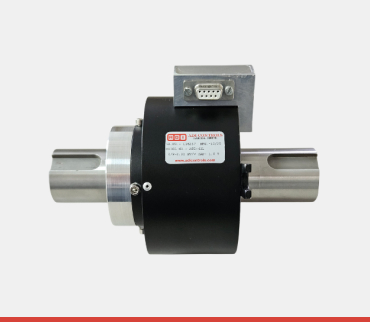
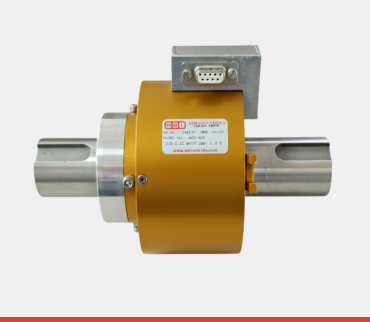
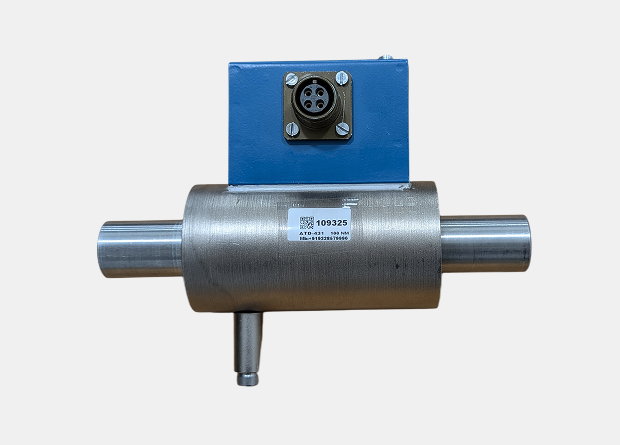
ADI ATD-431 dynamic torque transducer, also known as a rotary torque transducer or torque meter, is an electronic device used to measure the twisting force (torque) applied to a rotating or dynamically moving shaft or mechanical system in real-time. Measures dynamic torque (torque in motion) on rotating components, often simultaneously measuring rotational speed and power. Since the sensor element is rotating, it must use a non-contact method to transmit the electrical signal from the rotating shaft (rotor) to the stationary housing (stator). Common methods include telemetry (wireless) or inductive coupling, though some older designs use slip rings.

Product Type

Single Point Aluminium Load Cell

Usage

Table top scales, Counting and postal scales, Check weighers.

Material

Aluminium

Output

 Analog Sensor

Theory

Resistance Sensor

Compensated Temperature

10 To 60 Celsius (oC)

Rated capacity (NM)

5, 10

Excitation Voltage

10 V DC – Maximum 15 V DC

Full Scale Output

2.0 mV / V

Non – Linearity

<± 0. 1 % FSO (Full scale Output)

Hysteresis

<± 0.1% FSO

Non-Repeatability

<± 0.1 % FS0

Creep error (30 minutes)

<± 0.3% FSO

Zero Output

± 1.0 % FSO

Input Resistance

392 ± 10 Ohms

Output Resistance

392 ± 10 Ohms

Insulation Resistance

>1000 Mega Ohms

Safe Overload

150 % of Rated Capacity

Ultimate Overload

250 % of Rated Capacity

Temperature
Compensated Range

10 to 60°C

Temperature Effect at Full Load

<0.05 % FSO/° C

Temperature Effect on
Zero

<0.05 % FSO/° C

Environment Protection

IP 65

Finish & Construction

Stain Less Steel 17-4 PH

Rotational Angular Deflection

< 0.2 at FSO

Industries

Automation Application
automotive-industries
electric-motor
robotics
defence-industry

Related Products

FAQs

frequently asked questions

01. What is a torque transducer and what does it measure?

A torque transducer, often called a torque sensor or torque cell, is a device used to measure and convert a twisting force (torque) into a measurable electrical signal. It measures the rotational force applied to an object, typically in units like Newton-meters N.m

02. What are the main types of torque transducers?

There are two primary types, distinguished by their method of transmitting the signal:

  • > Rotary (Dynamic) Torque Transducers: These are inserted into a rotating drivetrain or shaft and are used to measure torque while the shaft is turning (e.g., measuring engine power). They require a means to transfer the signal from the rotating part to the stationary sensor housing, often using slip rings or a non-contact (wireless) system.
  • > Reaction (Static) Torque Transducers: These are fixed in place (non-rotating) and measure the resistance or reaction torque applied to a fixed object (e.g., measuring the torque required to loosen a bolt or turn a valve). They are simpler, more robust, and do not require slip rings or telemetry.
03. How does a torque transducer measure torque?

Most industrial torque transducers use strain gauge technology, similar to a load cell:

  1. Strain Gauges: Thin, resistive foils (strain gauges) are bonded to the surface of the shaft or measuring element.
  2. Torsion: When torque is applied, the element twists (torsion), causing the strain gauges to slightly stretch and compress.
  3. Resistance Change: This mechanical deformation changes the electrical resistance of the gauges.
  4. Signal Output: The gauges are wired into a Wheatstone bridge circuit, which converts the resistance change into a tiny, proportional voltage signal (mV), which is then amplified and measured.
04. What are some common applications for torque transducers?

Torque transducers are essential for quality control and efficiency testing across numerous industries:

  • > Automotive: Measuring engine and motor performance, transmission efficiency, and drive shaft torque.
  • > Aerospace: Testing propeller, rotor, and turbine performance, and ensuring fastener integrity.
  • > Manufacturing: Calibrating and monitoring automated screwdrivers, wrenches, and assembly tools.
  • > Testing: Testing pump efficiency, mixer output, and material fatigue under torsional stress.
05. What external equipment is needed to use a torque transducer?

Since the raw output signal from the strain gauges is very small (a few millivolts), additional instrumentation is required:

  • > Torque Indicator/Amplifier: This device supplies the excitation voltage (power) to the transducer, amplifies the small mV output signal, digitizes it, and displays the torque reading (e.g., on an LED screen).
  • > Couplings (for Rotary Sensors): Precision couplings are required to connect the rotary sensor between the motor/driver and the load/brake, ensuring perfect alignment to prevent bending moments or excessive vibrations.
  • > Data Acquisition (DAQ) System: For high-speed measurements or automated testing, a DAQ system is used to log the amplified torque signal alongside other parameters (like RPM or speed).