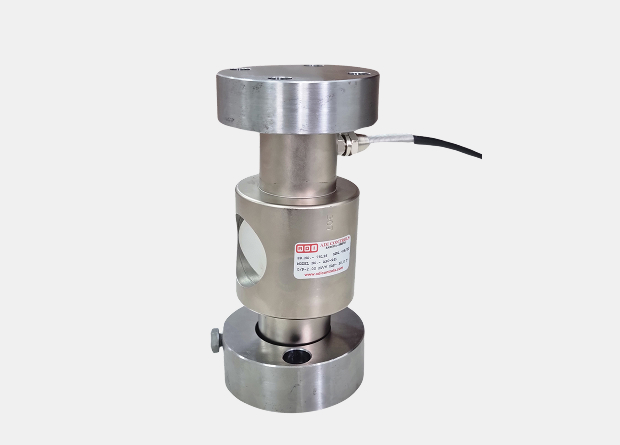
ASC-941 D

Column Load Cell

Home / Products / Load Cells / ASC-941D

ASC-941 D

Column Load Cell

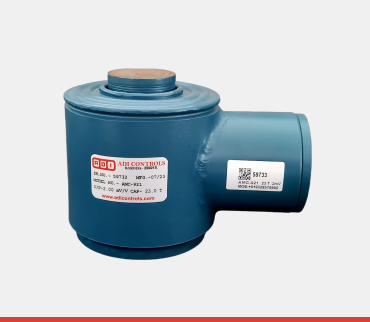
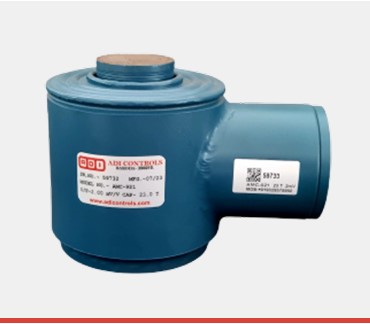
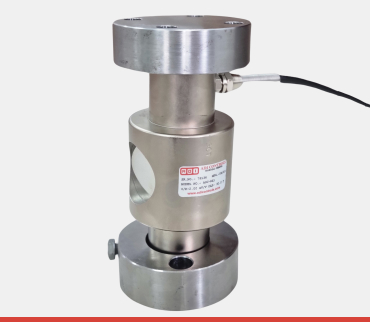
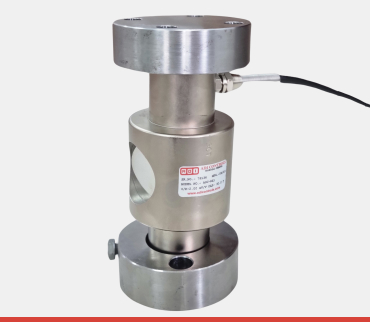
ADI ASC-941 D canister-type load cell (sometimes called a column load cell or compression load cell) is a robust force sensor designed primarily for measuring large compressive loads. It has a cylindrical, or canister-like, shape with a flat top and bottom. These cells are optimized almost exclusively for compression (pushing) forces and are known for their high capacity and stability. The load is typically applied to the center of the top surface, which compresses the internal sensing element (often a column or shear web arrangement). Strain gauges bonded inside the canister measure the resulting axial deformation. Due to the harsh industrial environments they often operate in (like under silos or bridges), they are usually hermetically sealed (welded) or highly protected to provide excellent ingress protection (IP rating) against dust and moisture.

Product Type

Single Point Aluminium Load Cell

Usage

Table top scales, Counting and postal scales, Check weighers.

Material

Aluminium

Output

 Analog Sensor

Theory

Resistance Sensor

Compensated Temperature

10 To 60 Celsius (oC)

Rated capacity (Kgf)

11, 15, 22.5, 45, 90

Excitation Voltage

10VDC-Maximum 15 VDC

Rated Output

2.0 mV/V

Non – Linearity

< ± 0.025 % FSO (Full scale Output)

Hysteresis

< ± 0.01 % FSO

Non-Repeatability

< ± 0.02 % FSO

Creep error (30 minutes)

< ± 0.03 % FSO

Zero Load Output

< ± 0.03 % FSO

Input Resistance

390 ±15 Ohms

Output Resistance

350 ±5 Ohms

Insulation Resistance

>1000 Mega Ohms

Cable length

3 meters

Safe Overload

150 % of Rated Capacity

Ultimate Overload

250 % of Rated Capacity

Temperature
Compensated Range

0 to 60° C

Temperature Effect on
Output

<0.0015 % FSO/° C

Temperature Effect on
Zero

< 0.002 % FSO/° C

Max. Platform Size

500 x 500 mm

Off Center Load Error

< 0.02% of FSO at 1/3 rated
load/250mm off center

Deflection

< 0.5 mm at FSO

Finish & Construction

Electroless Nickel plated Tool Steel.

Environment Protection

IP 67

Industries

Batching & Mixing Plant

Related Products

FAQs

frequently asked questions

01. What is a Column Load Cell and what differentiates it from other types??

A Column Load Cell (also called a Canister or Compression Load Cell) is a cylindrical force sensor designed specifically to measure extremely high compression forces.

  • > Design: It features a thick, robust, canister-like body, typically machined from high-strength steel. The load is applied vertically along the central axis.
  • > Differentiation: Unlike beam or S-type cells, which measure forces from ounces to several tons, Column Load Cells are engineered for ultra-high-capacity applications, often ranging from 10 tons up to 1000 tons or more, making them ideal for the heaviest industrial measurements.
02. Where are Column Load Cells commonly used in heavy industry?

Column Load Cells are the standard choice for projects involving the weighing or monitoring of massive, static structures.

  • > Silo and Tank Weighing: Used under the legs of extremely large, heavy-duty silos, bins, or vessels in the grain, chemical, or cement industries.
  • > Foundation/Structural Testing: Essential for measuring bearing forces in bridge construction, pile load testing, and deep foundation integrity checks.
  • > Rolling Mills and Heavy Presses: Employed to monitor the immense forces generated in metal forming, rolling, and hydraulic press operations.
  • > Weighbridges (High Capacity): Used in specialized weighbridges for weighing entire trains or exceptionally heavy road vehicles.
03. What essential mounting accessories are required for a Column Load Cell?

Given the enormous forces involved, specialized hardware is critical to ensure safety and prevent catastrophic failure or measurement error:

  • > Load Buttons/Caps: A hardened steel load button or cap is placed on top of the cell to ensure the immense force is transmitted cleanly and precisely to the cell’s center column, preventing edge loading.
  • > Base Plates and Mounts: Heavy-duty, rigid base plates are required to anchor the cell securely to the foundation and ensure the force is transmitted vertically.
  • > Rocker Column Assembly: For multi-cell weighing systems (like large silos), a rocker assembly is often used. This allows the load cell to self-align slightly as the vessel expands or contracts due to temperature changes, preventing damaging side loads from being introduced to the column.
04. What are the key factors for selecting the correct Rated Capacity for a Column Load Cell?

Column Load Cells must be specified carefully, as their failure can be extremely costly and dangerous.

  • > Maximum Load Calculation: Determine the total maximum weight (vessel dead weight + maximum product weight).
  • > Load Distribution: Divide the Maximum Load by the number of supporting columns
  • > Safety Factor: Select a cell with a capacity of 150% to 200% of the calculated load per support. This substantial buffer is necessary to account for non-uniform load distribution, wind loading, dynamic agitation forces, and shock overloads inherent in large-scale operations.
05. What material and sealing is necessary for a Column Load Cell's longevity?

For permanent installations involving hundreds of tons, durability and protection are paramount:

  • > Material: Column cells are typically made from Heat-Treated Alloy Steel or Stainless Steel to handle extreme compression forces with minimal creep. Stainless steel is preferred for environments exposed to chemicals or high corrosion.
  • > Sealing: An IP68 (Hermetically Sealed) construction is the industry standard. Since these cells are often placed in outdoor foundations, pits, or harsh processing environments, the internal strain gauge area must be completely sealed by a fusion-welded barrier to prevent long-term failure from moisture, humidity, and dust ingress.