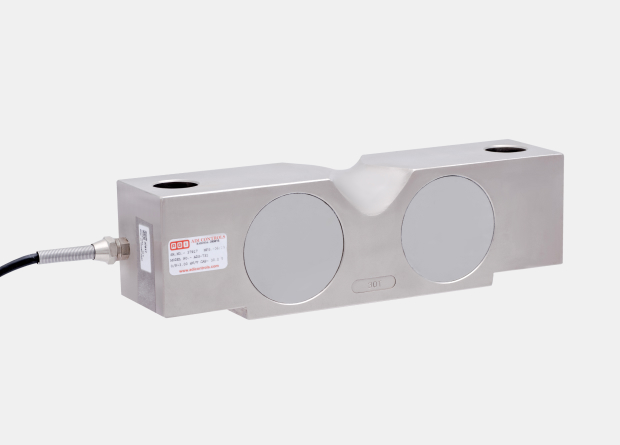
ADS-731

Double Ended Shear Beam Load Cell

Home / Products / Load Cells / ADS-731

ADS-731

Double Ended Shear Beam Load Cell

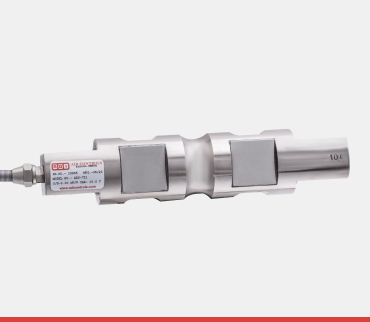
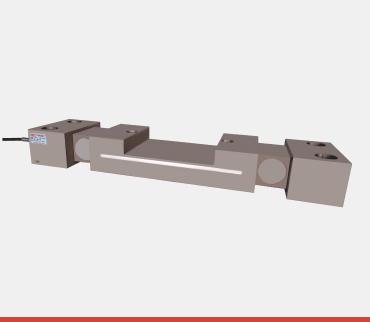
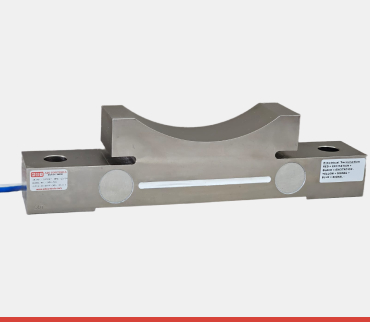
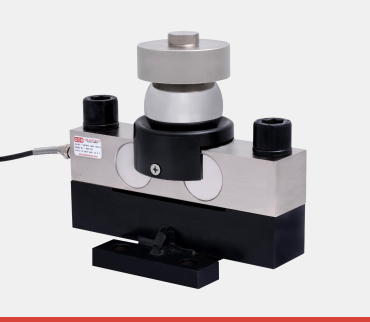
ADI ADS-731 double-ended shear beam load cell is a robust force transducer commonly used in high-capacity weighing applications. This design provides exceptional stability and high resistance to side forces, making it ideal for measuring very heavy loads. It utilizes the shear strain principle. Shear stress is created in the beam’s internal web when the central load point pushes down (or pulls up) against the two anchored ends. It is essentially a thick metal beam supported at both ends (hence “double-ended”) and the force or load is applied to a mounting point, typically a hole or stud, located in the center of the beam. It is also known as 70310

Product Type

Single Point Aluminium Load Cell

Usage

Table top scales, Counting and postal scales, Check weighers.

Material

Aluminium

Output

 Analog Sensor

Theory

Resistance Sensor

Compensated Temperature

10 To 60 Celsius (oC)

Rated capacity (Kgf)

5, 10, 15, 20, 23, 30, 40, 50, 75, 100 Tonf

Excitation Voltage

10VDC-Maximum 15 VDC

Rated Output

3.0 mV/V

Non – Linearity

< ± 0.025 % FSO (Full scale Output)

Hysteresis

< ± 0.02 % FSO

Non-Repeatability

< ± 0.01 % FSO

Creep error (30 minutes)

< ± 0.03 % FSO

Zero Load Output

± 1.0 % FSO

Input Resistance

770 ± 20 Ohms

Output Resistance

700 ± 7 Ohms

Insulation Resistance

>1000 Mega Ohms

Safe Overload

150 % of Rated Capacity

Ultimate Overload

250 % of Rated Capacity

Temperature
Compensated Range

0 to 60° C

Temperature Effect on
Output

<0.0015 % FSO/° C

Temperature Effect on
Zero

< 0.002 % FSO/° C

Side Load Allowed

50 % of Rated Capacity

Deflection

< 0.5 mm at FSO

Finish & Construction

Electroless Nickel Plated Tool Steel.

Environment Protection

IP 67 compatible

Tightening Torque

10 Kg-m.

Industries

Weighbridges
Silo Weighing
Hopper Weighing
Suspended Hopper
Tank Weighing
Rail Weighing System

Related Products

FAQs

frequently asked questions

01. What is a Double Ended Shear Beam Load Cell and how is it different from a Single Ended Beam?

A Double Ended Shear Beam (DESB) load cell is a rugged force sensor characterized by two mounting points and a central loading point.

  • > Design: It is rigidly mounted at both ends to the support structure, and the load is applied to a central hole or feature located in the centre section of the beam.
  • > Difference: Unlike the Single Ended beam, which is cantilevered (supported at one end), the DESB is supported at both ends, making it significantly more robust and capable of handling much higher capacities (often exceeding 50 tons).
02. What are the ideal high-capacity applications for DESB load cells?

Double Ended Shear Beams are designed for heavy-duty, permanent weighing installations where maximum stability, robustness, and capacity are required.

  • > Truck and Rail Scales (Weighbridges): This is the most common application, where DESB cells are installed under the main structure to weigh massive vehicles.
  • > Large Tank and Silo Weighing: Used under large chemical, grain, or cement silos where the vessel weight and product load are substantial.
  • > Heavy Industrial Process Weighing: Applications involving extremely large hoppers, mixers, or customized high capacity weighing platforms.
03. What is the critical consideration for the safe and accurate installation of DESB load cells?

The most critical factor is the use of a high-quality, specialized Load Cell Mounting Assembly (also known as a weigh module or foot).

  • > Preventing Damage: These assemblies are mandatory because they manage forces that could otherwise damage the cell, such as lift-off (wind or agitation forces), thermal expansion/contraction of the vessel, and seismic movement.
  • > Self-Alignment: The module ensures the load is always applied correctly to the center of the beam and often includes a self-checking or self-aligning mechanism to maintain verticality, which is essential for accuracy in high-capacity environments.
04. How do I determine the appropriate Rated Capacity for a DESB load cell in a multi-cell system?

Calculating the required capacity involves considering the dead load, live load, and the number of support points:

  • > Dead Load: The weight of the empty structure, tank, or platform.
  • > Live Load: The maximum expected weight of the product being weighed.
  • > Safety Factor: Use a minimum factor of  (150%) to account for potential overloads, shock, vibration, and non-uniform load distribution, ensuring the longevity and safety of the cell.
05. What are the typical construction materials and sealing requirements for DESB cells?

Given their use in heavy industrial and often outdoor environments (like weighbridges), DESB load cells require maximum durability:

  • > Material: Almost exclusively made from High-Grade Alloy Steel (often nickel-plated for corrosion resistance) or Stainless Steel for maximum resistance to moisture and chemicals.
  • > Sealing: Due to the risk of moisture ingress in outdoor or washdown environments, you should prioritize cells with IP67 or IP68 ratings. An IP68, hermetically sealed construction is highly recommended for permanent, high-exposure installations like truck scales, as it guarantees long-term performance against continuous immersion and extreme weather.