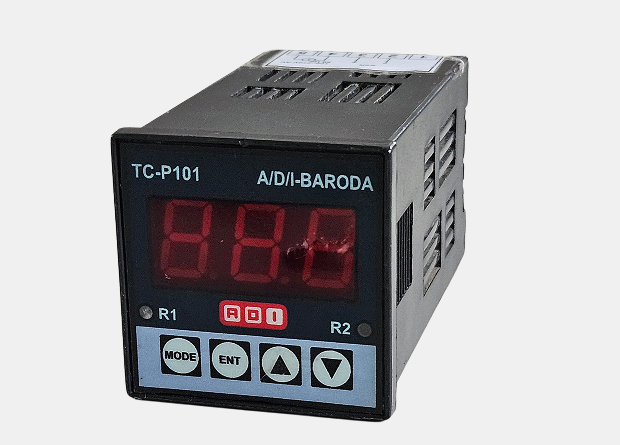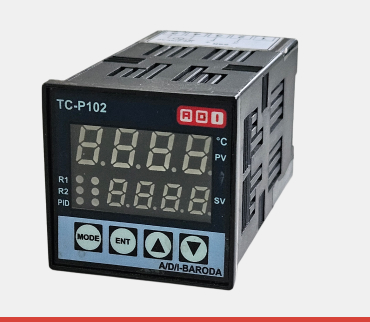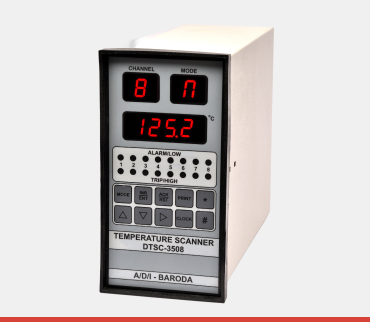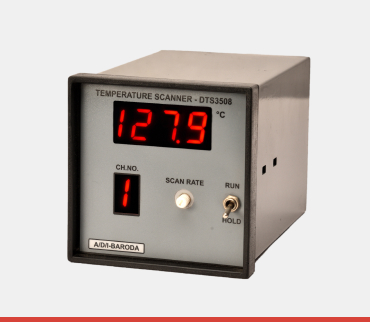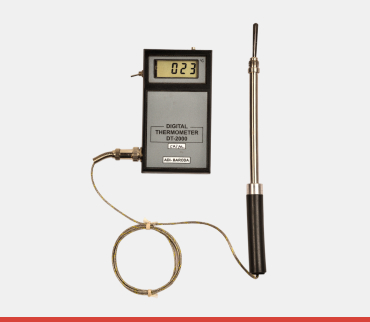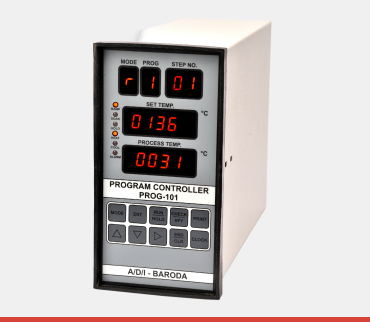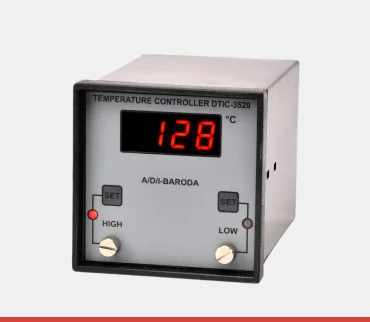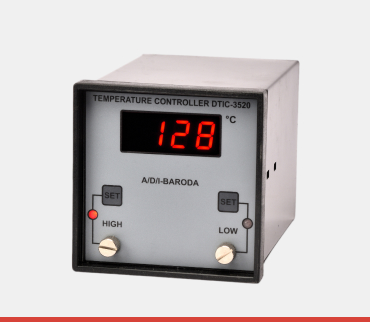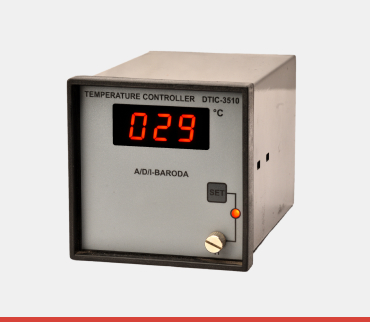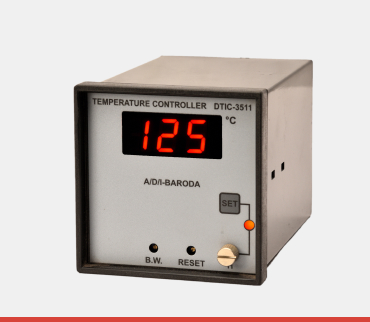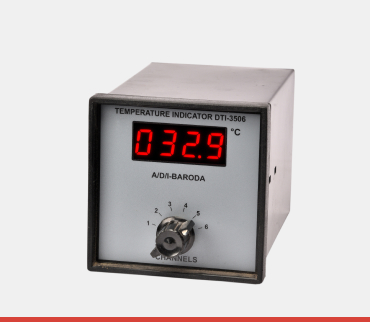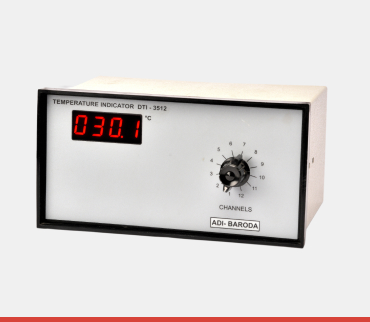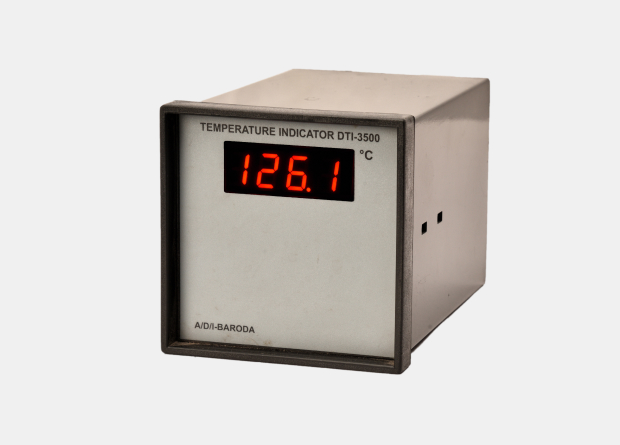
DTI-3500

Temperature Indicator

DTI-3500

Temperature Indicator

ATS-422 Mini Static Torque Transducer are specially designed for measurement of Static Torque.ATS-422 Mini Static Torque Transducer are specially designed for measurement of Static Torque.ATS-422 Mini Static Torque Transducer are specially designed for measurement of Static Torque.ATS-422 Mini Static Torque Transducer are specially designed for measurement of Static Torque.

Product Type

Single Point Aluminium Load Cell

Usage

Table top scales, Counting and postal scales, Check weighers.

Material

Aluminium

Output

 Analog Sensor

Theory

Resistance Sensor

Compensated Temperature

10 To 60 Celsius (oC)

Rated capacity (NM)

5, 10

Excitation Voltage

10 V DC – Maximum 15 V DC

Full Scale Output

2.0 mV / V

Non – Linearity

<± 0. 1 % FSO (Full scale Output)

Hysteresis

<± 0.1% FSO

Non-Repeatability

<± 0.1 % FS0

Creep error (30 minutes)

<± 0.3% FSO

Zero Output

± 1.0 % FSO

Input Resistance

392 ± 10 Ohms

Output Resistance

392 ± 10 Ohms

Insulation Resistance

>1000 Mega Ohms

Safe Overload

150 % of Rated Capacity

Ultimate Overload

250 % of Rated Capacity

Temperature
Compensated Range

10 to 60°C

Temperature Effect at Full Load

<0.05 % FSO/° C

Temperature Effect on
Zero

<0.05 % FSO/° C

Environment Protection

IP 65

Finish & Construction

Stain Less Steel 17-4 PH

Rotational Angular Deflection

< 0.2 at FSO

Industries

Batching & Mixing Plant
Silo Weighing
Hopper Weighing

Related Products

FAQs

frequently asked questions

01. What is the difference between a temperature sensor and a temperature instrument?
  • > Temperature Sensor (Transducer): This is the primary element (e.g., RTD, Thermocouple) that physically interacts with the medium and generates a small electrical signal (resistance, voltage) in response to heat change. It is the component that measures the temperature.
  • > Temperature Instrument: This is the broader term encompassing all devices used to manage the temperature signal. This includes the sensor itself, plus devices like Indicators (to display the reading), Transmitters (to convert the signal), and Controllers (to adjust heating/cooling based on the reading).
02. What are the two main categories of temperature instruments?

Temperature instruments are broadly categorized by their measurement method:

  • > Contact Instruments: These must be in direct physical contact with the medium being measured. This category includes RTDs, Thermocouples, Thermistors, and traditional liquid-in-glass thermometers. They measure their own temperature after reaching thermal equilibrium with the process fluid or object.
  • > Non-Contact Instruments: These measure temperature remotely by sensing the infrared (IR) energy or thermal radiation naturally emitted by an object’s surface. This category includes infrared thermometers and thermal cameras (pyrometers). They are essential for measuring moving, extremely hot, or hard-to-reach targets.
03. Why do instruments like Thermocouples need Cold Junction Compensation (CJC)?

Thermocouples rely on the Seebeck effect, which generates a voltage proportional to the difference in temperature between the measuring junction (hot end) and the reference junction (cold end, where the wires connect to the instrument).

  • > Necessity: The cold junction temperature will fluctuate with the ambient temperature of the environment, which would directly skew the final temperature reading.
  • > CJC Role: The instrument uses an internal sensor (like a thermistor) to accurately measure the ambient temperature at the cold junction and electronically subtract this voltage contribution from the total measured voltage. This ensures the reading accurately reflects only the temperature at the measuring tip.
04. What is a Temperature Transmitter, and why is it used in industry?

A Temperature Transmitter is a signal conditioning instrument used to take the low-level, high-noise-susceptibility signal (resistance from an RTD or mV from a Thermocouple) and convert it into a robust, standard industrial signal.

  • > Standard Output: The most common output is a 4-20mA current loop.
  • > Benefit: This conversion allows the signal to be transmitted reliably over long distances (hundreds of meters) to a central controller (PLC or DCS) without significant loss of accuracy or susceptibility to electrical noise.
05. What does the term "Calibration" mean for a temperature instrument?

Calibration is the process of comparing the measurement reading of a temperature instrument (sensor plus indicator/controller) against a reference standard instrument (known to be accurate) under specified conditions.

  • > Goal: To determine the instrument’s accuracy and ensure it is functioning within the required tolerances.
  • > Action: If the instrument’s reading is outside the acceptable tolerance, an adjustment is made to the instrument’s electronics or software so that it displays a reading that matches the reference standard. Calibration is typically performed periodically (e.g., annually).