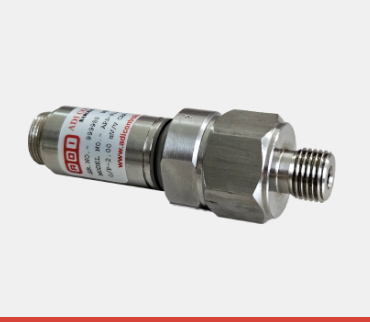
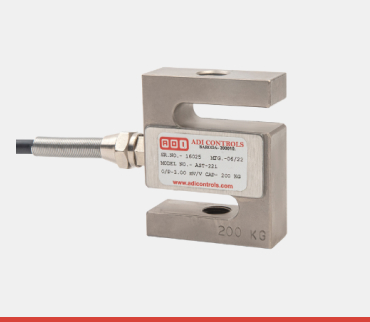
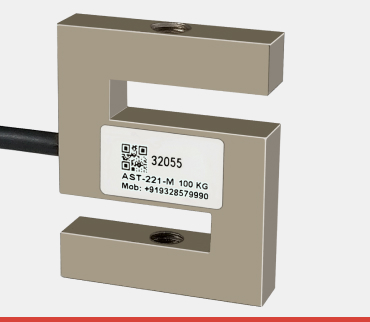
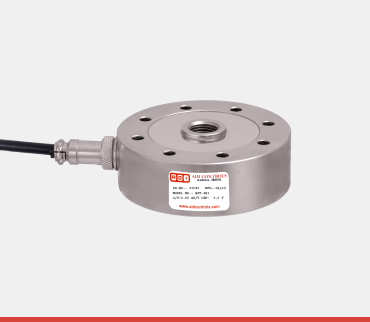
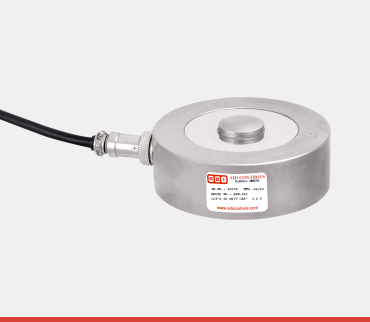
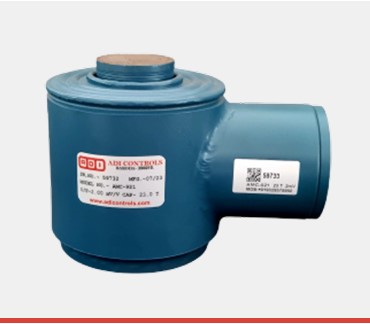
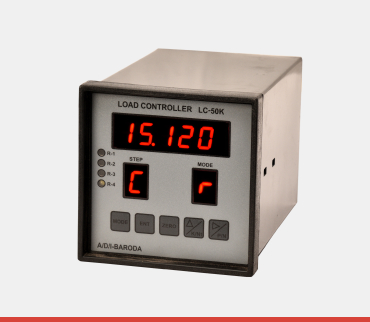
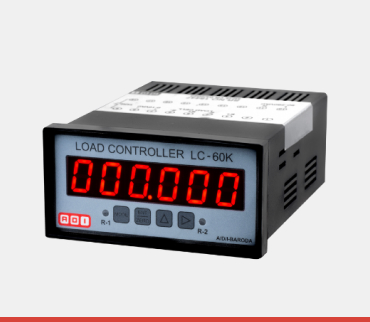
A Universal Testing Machine (UTM) is the cornerstone of material science and quality control, used to perform standardized mechanical tests—such as tensile strength, compression, and flexural strength—on virtually any material, from metals and plastics to fabrics and composites. The accuracy of a UTM is entirely dependent on its ability to precisely measure the applied force, which is the role of the integrated load cell. In this application, a high-precision, low-profile Compression/Tension load cell (often a S-type or proprietary canister design) is installed directly in the force train between the crosshead and the test sample. Unlike general industrial weighing, UTM load cells are required to meet extremely high accuracy standards, often ±0.5% or better, across a very wide measurement range. This level of precision is crucial for generating reliable stress-strain curves and validating material properties against industry standards.
UTM machines are used to test the tensile, compression, and bending strength of materials.
Load cells measure applied force accurately during material testing.
Yes, load cells are available in multiple capacities to suit various material testing needs.
S-type and compression load cells are widely used for tensile and compression testing.
WhatsApp us