Tablet compression testing, commonly referred to as tablet hardness testing, is a crucial quality control measure in the pharmaceutical industry used to determine the mechanical strength of a tablet—specifically, the force required to cause it to fracture (break). This test, typically performed in a dedicated tablet hardness tester, ensures that the tablet is strong enough to withstand the stresses of coating, packaging, shipping, and handling, while still being able to disintegrate properly once consumed. The tablet is placed between two jaws (platens), one of which moves at a constant speed, applying a gradual compressive force until the tablet breaks. The force at the point of fracture is measured and recorded, usually in units like Newtons (N) or Kilograms (kg).
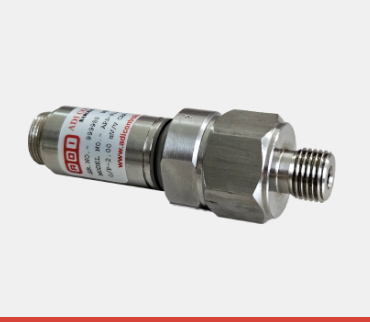
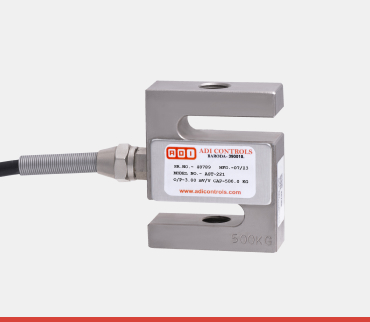
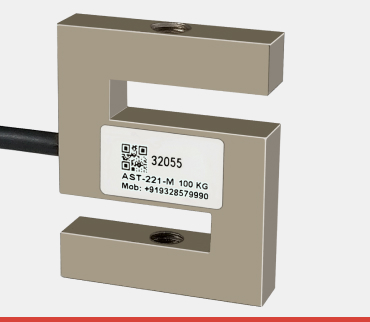
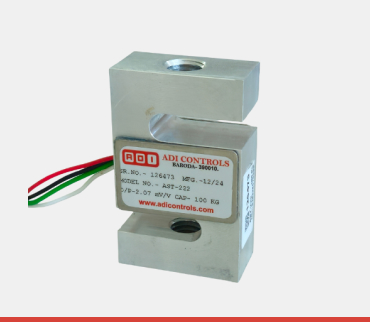
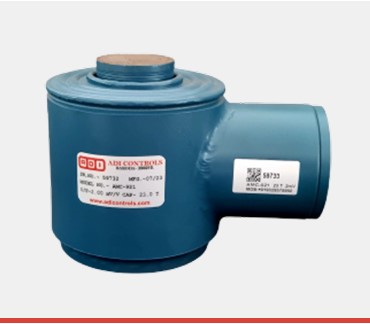
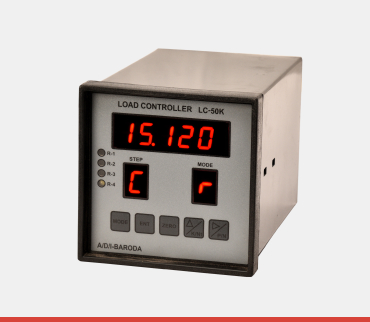
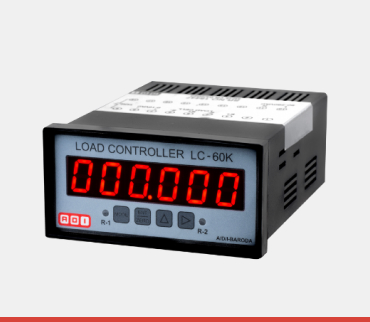
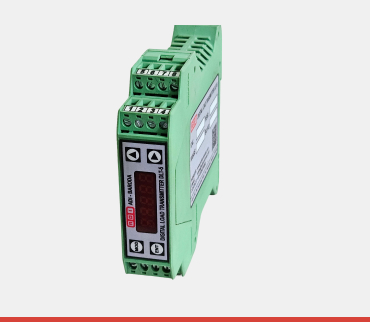
The precision of this test relies entirely on two key instruments:
It measures the breaking force of tablets to ensure proper hardness and mechanical strength.
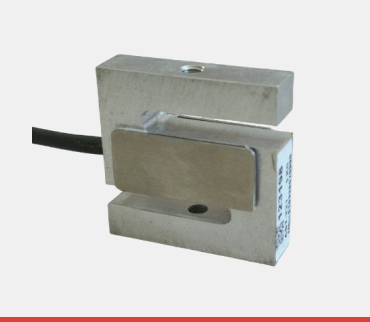
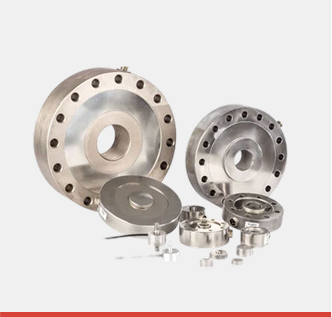
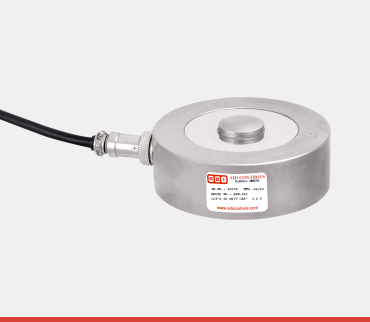
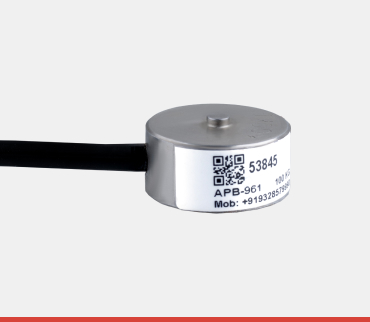
High precision low capacity load cells are used for accurate force measurement.
Accurate load cells ensure consistent tablet quality and reliable test results.
Yes, they are designed to detect low forces with high repeatability and sensitivity.
WhatsApp us