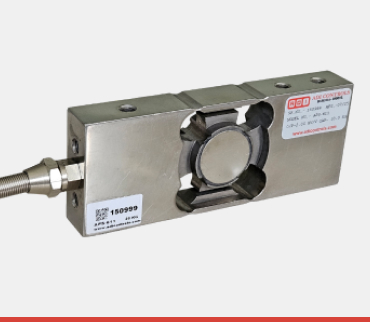
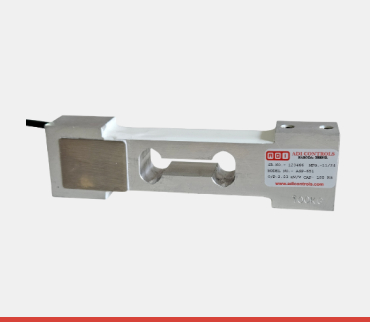
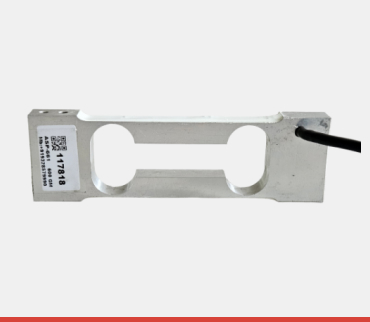
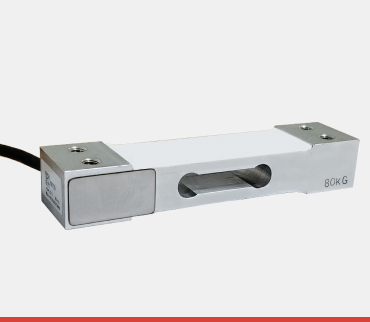
A tabletop weighing scale (or bench scale) is a versatile, compact scale used across various industries, including food service, retail, logistics, and laboratory environments, for tasks requiring quick, accurate measurements of relatively small items, typically ranging from a few grams up to 100 kilograms. These scales are designed for portability and ease of placement on a counter or bench. The critical component that ensures their precision is the Single-Point Load Cell, often a specialized aluminium bending beam design. This type of load cell is strategically mounted beneath the centre of the weighing platter and is engineered to be insensitive to eccentric loading, meaning it provides the same accurate reading regardless of where on the pan the item is placed. This design simplifies construction and calibration. The accompanying instrument is a high-resolution Weighing Indicator that processes the millivolt signal from the single load cell, applies necessary calibration and filtering, and features a digital display. Modern indicators often incorporate functionalities like piece counting, taring, and unit conversion (e.g., from grams to pounds), making the tabletop scale an indispensable tool for efficient inventory control and portioning
They are used for accurate weight measurement in laboratories, retail counters, and light industrial applications.
High accuracy ensures consistent results in counting, portioning, and quality checks.
Yes, they assist in verifying weight tolerances during inspection and packing.
They help count components accurately by calculating quantity based on unit weight.
WhatsApp us