Structural Load Testing

Home / Industries / Structural Load Testing

Structural load testing is an engineering practice that involves subjecting a new or existing structure—such as a bridge, floor, pile foundation, or anchor—to controlled amounts of force to verify its ability to withstand specified design loads and ensure compliance with safety codes. This physical, empirical test provides tangible data on a structure’s actual behaviour, including deflection, deformation, and stress distribution, which is vital for validating theoretical design models and identifying potential weaknesses before a failure occurs. Loads are typically applied using large dead weights (like steel plates or water-filled bags) or, more commonly, precisely controlled hydraulic jacks acting against a reaction frame.

The accurate measurement of the applied force is critical and is accomplished using two main types of instruments:

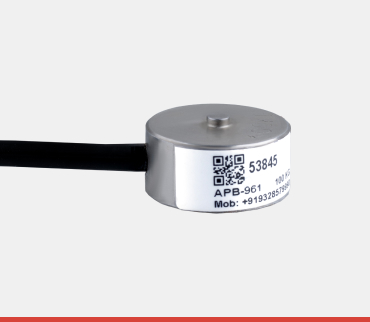
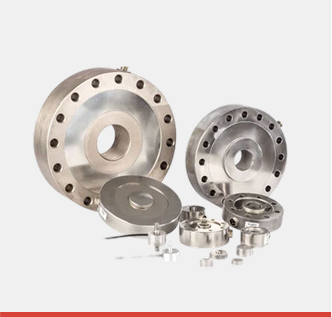
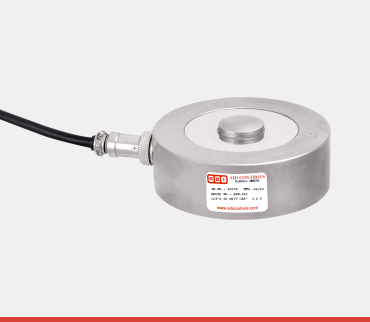
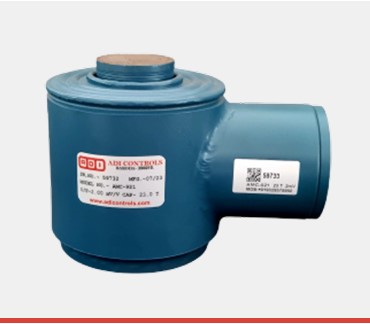
  • > Load Cells (Force Transducers): The most essential device is the Compression Load Cell (often a high-capacity canister or column type), which is placed directly in line with the hydraulic jack to measure the exact compressive force being applied to the structure or foundation. For testing anchors, rock bolts, or tiebacks, Annular (Centre-Hole) Load Cells are used, allowing the anchor cable to pass through the centre while measuring the tensile load. These rugged, high-capacity strain gauge-based devices ensure the force is known with high precision.
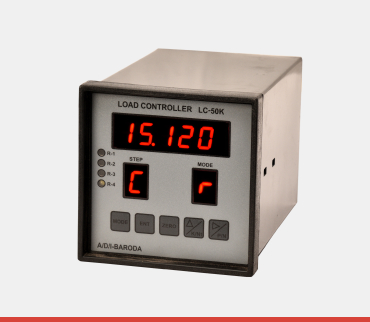
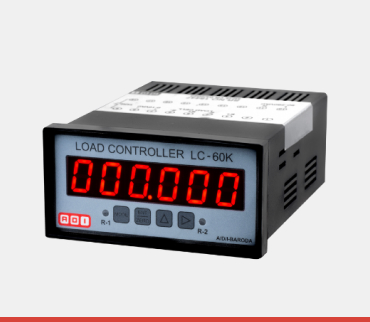
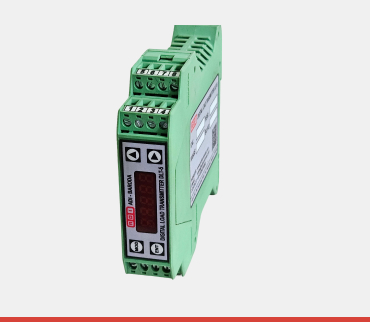
  • > Weighing Instruments (Data Acquisition): The electrical signal mV from the load cell is connected to a sophisticated Data Acquisition System (DAS) or a specialized Digital Weighing Indicator. This instrument provides the real-time weight/force reading, performs necessary signal conditioning and filtering, and often logs the data continuously alongside other sensors (like LVDTs for measuring displacement/deflection) to create a detailed, time-stamped profile of the structure’s response under stress for later analysis and reporting.

Related Products

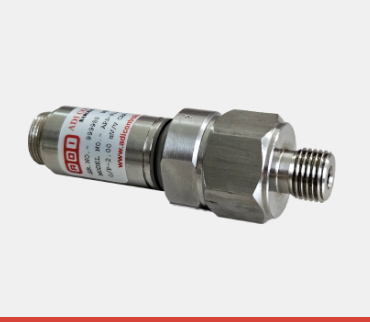
APS-411

Pressure Transducer

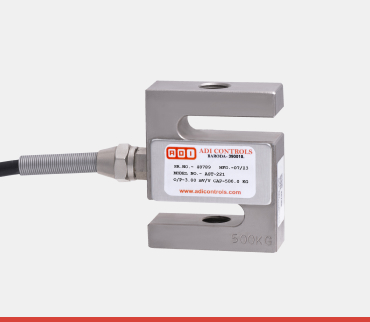
AST-221

S Type Load Cell

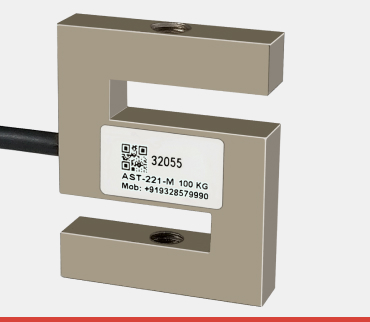
AST-221 (MINI)

S Type Load Cell

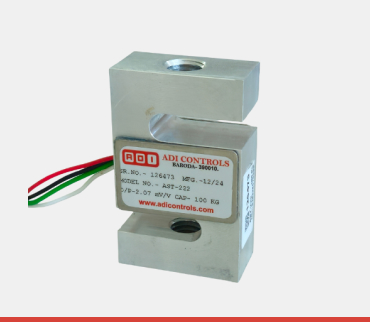
AST-221 (ALUMINIUM)

S Type Load Cell

AST-221 (ALUMINIUM) MINI

S Type Load Cell

APT-961

Pan Cake Load Cell​

APB-961

Pan Cake Load Cell

APM-961

Pan Cake Load Cell

AMC-931

Column Load Cell

LC-50K

Weighing Instruments

LC-60K

Weighing Instruments

DLT-5

Weighing Instruments

FAQs

frequently asked questions

01. What is structural load testing used for?

It verifies the load bearing capacity and safety of structures under real working conditions.

02. Can structural load testing be performed on existing structures?

Yes, load cells can be installed on existing structures for testing and validation purposes.

03. What role do weighing instruments play in batching and mixing?

Yes, proper calibration ensures accurate and reliable test results.

04. Can structural load testing load cells handle sudden load application?

Yes, they are designed to withstand shock loads during testing.