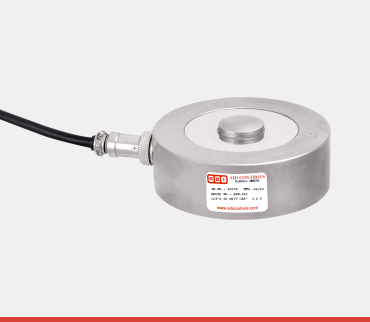
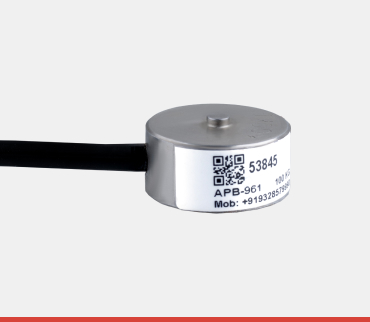
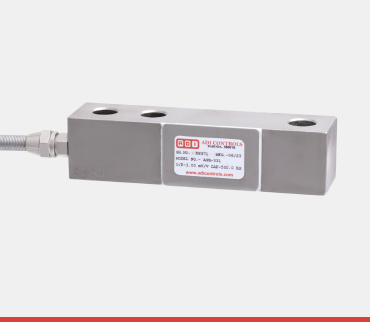
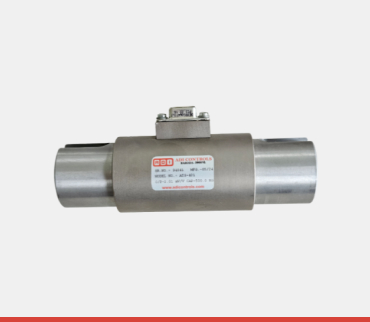
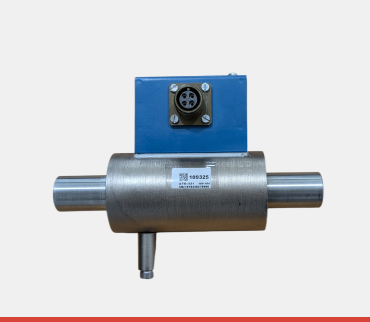
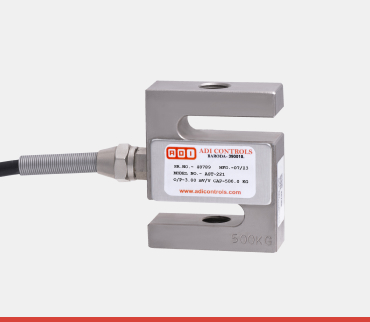
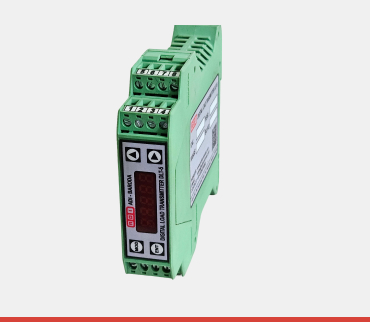
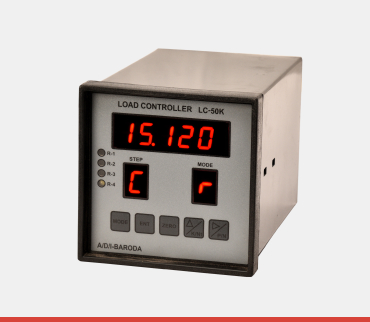
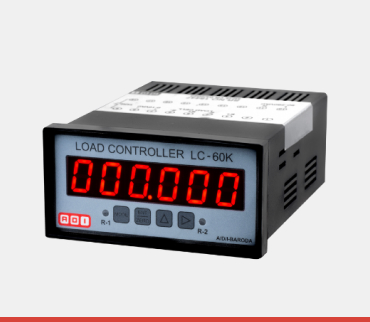
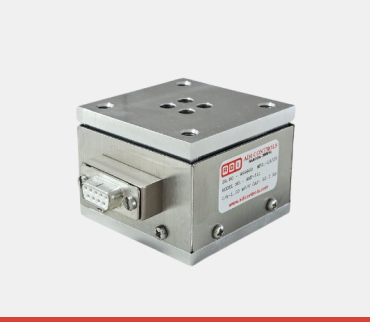
In advanced industrial and laboratory robotics, load cells are essential components that enable robots to interact intelligently with their environment, moving far beyond simple pick-and-place tasks. High-resolution load cells, often miniaturized or specialized multi-axis models, are integrated into robotic end-effectors (grippers), joints, or work platforms to provide accurate force and torque feedback. The weighing instruments or controllers used in this context must offer extremely fast data acquisition rates and low noise to keep pace with rapid robotic movements. This precision sensing capability allows robots to perform delicate tasks like assembly requiring specific insertion forces, quality control checkweighing of items moving along a conveyor belt, or even surgical procedures. By continuously monitoring the forces, the load cell allows the robot’s control system to dynamically adjust its path and grip strength, ensuring precise handling, preventing damage to fragile parts, and guaranteeing product quality in fully automated lines.
They are used to automate repetitive tasks and improve productivity and consistency.
Load cells measure force and weight to enable precise robotic movements and handling.
It helps robots apply the right amount of force for accuracy, safety, and repeatability.
Yes, they can be scaled and adapted to suit both small setups and large production facilities.
WhatsApp us