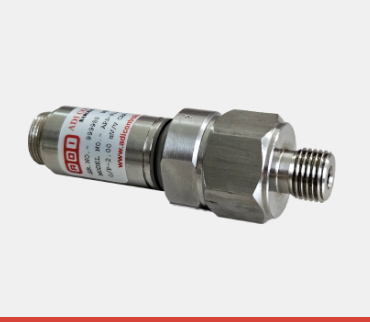
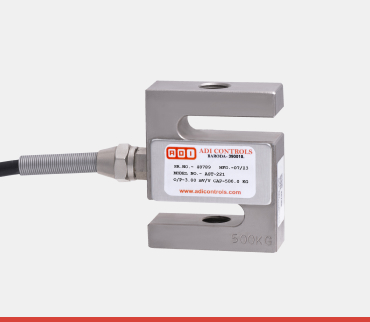
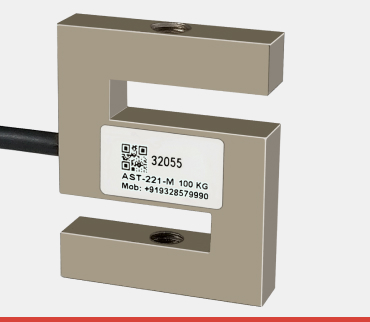
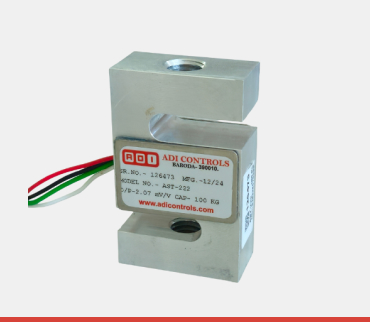
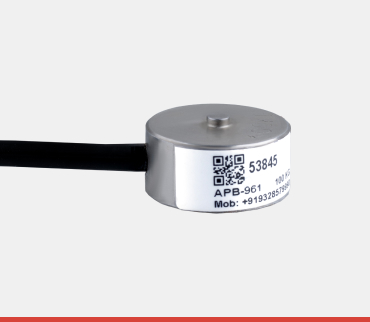
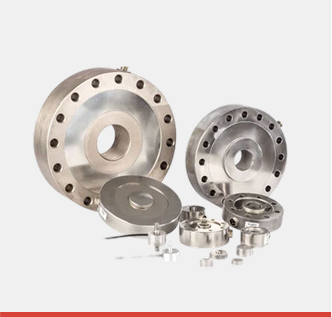
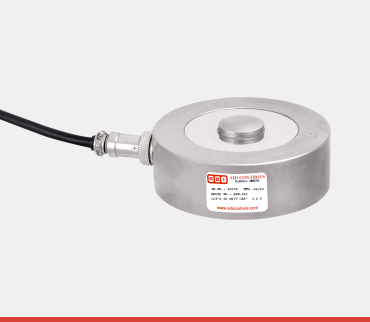
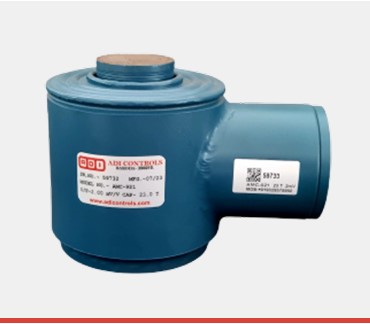
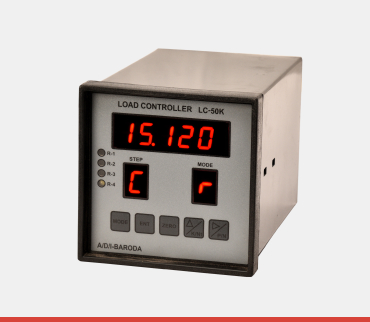
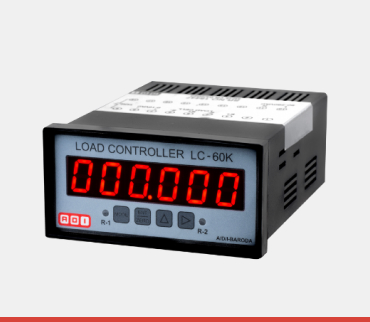
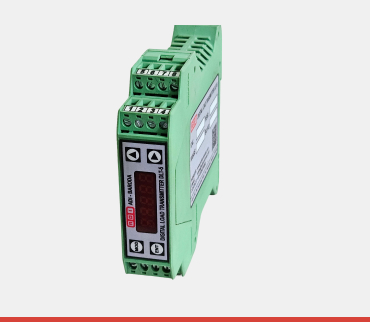
Industrial presses (such as hydraulic, mechanical, or servo presses) are powerful machines used in manufacturing for processes that require large amounts of force, including forming, moulding, stamping, blanking, and riveting materials like metal and composites. Accurate measurement and control of the applied force are crucial for several reasons: ensuring product quality and consistency (e.g., maintaining uniform stamp depth), protecting expensive tooling from damage, and preventing catastrophic machine overload. To monitor the immense forces generated, the press is equipped with specialized instruments, primarily the Compression Load Cell (often column, pancake, or annular types), which are engineered for high-capacity, stability, and high-cycle fatigue resistance. These strain-gauge-based load cells are installed directly in the force flow—either under the press bolster or integrated into the press columns—to measure the exact force applied during the stroke. The load cell signal is managed by a Press Force Monitoring System (a high-speed Weighing Indicator/Controller) that processes the dynamic force curve, checks the peak force against pre-set tolerances, and can trigger an immediate press shutdown if an overload is detected, providing essential protection and quality control feedback.
Load cells measure pressing force accurately to ensure consistent quality and process control.
Compression load cells are commonly used to measure high forces generated during pressing operations.
Accurate force measurement helps prevent overloading, tool damage, and product defects.
ADI Controls provides precision load cells and indicators for accurate press force monitoring.
WhatsApp us