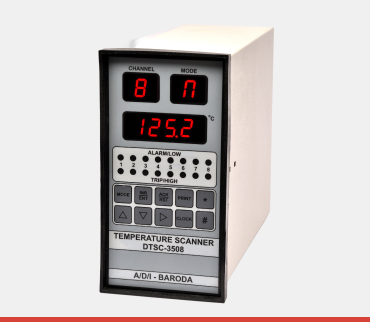
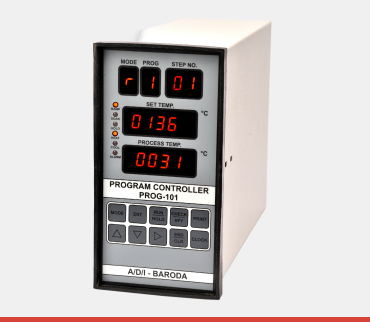
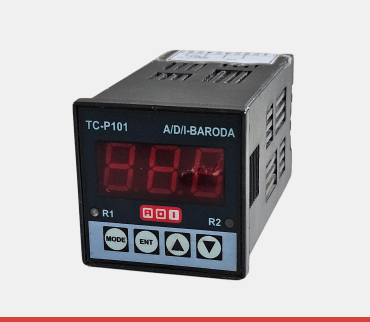
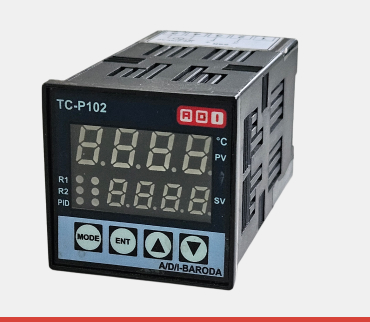
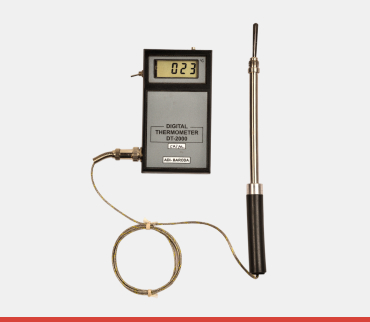
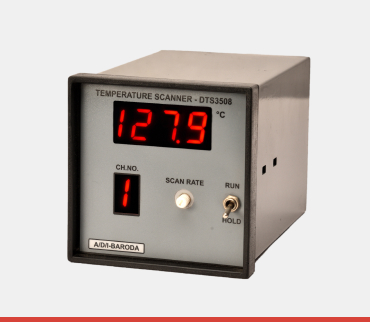
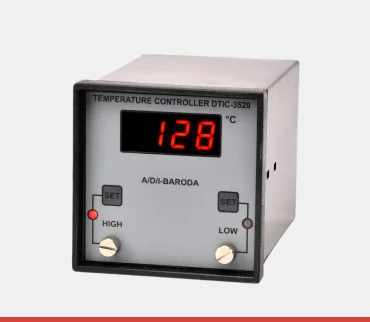
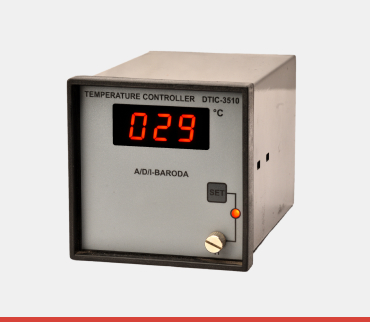
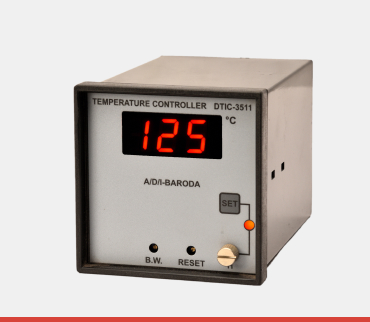
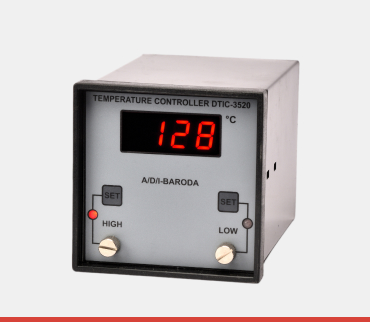
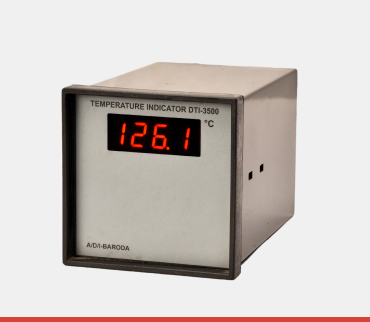
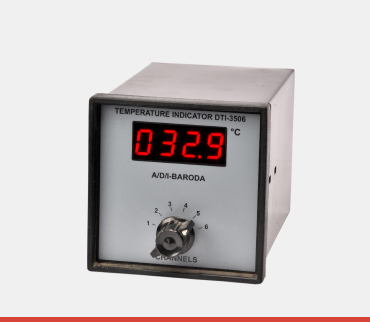
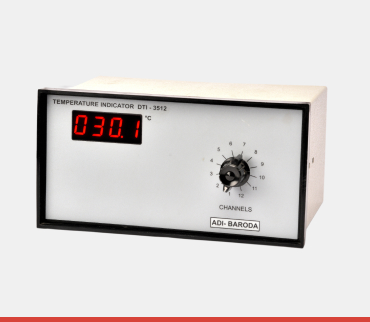
An HVAC (Heating, Ventilation, and Air Conditioning) system is responsible for maintaining acceptable indoor air quality and thermal comfort by controlling the temperature, humidity, and purity of the air within a building or controlled environment. Temperature measurement is fundamental to every aspect of the system’s operation, from optimizing energy consumption to maintaining precise climate control in critical areas like data centres or pharmaceutical clean rooms. To achieve this, a variety of temperature instruments and sensors are employed. The most common types include Thermistors and RTDs (Resistance Temperature Detectors), which are highly accurate and used in applications requiring precise temperature sensing, such as monitoring chilled water loops, air handling unit (AHU) coils, and supply air ducts. Thermocouples are less common but are sometimes used in high-temperature applications like furnace flue gas monitoring. Additionally, room thermostats, which house simple bimetallic strips or electronic semiconductor sensors (IC sensors), are deployed to monitor and control the ambient space temperature. These sensors feed data back to a central Building Management System (BMS) or local controllers, enabling the system to modulate the flow of refrigerant, hot water, or air dampers to maintain the desired setpoint temperature efficiently.
Load cells help measure weight and force in HVAC components for monitoring and control.
They are commonly used in equipment testing, component weighing, and load measurement setups.
Yes, they are available in multiple capacities to suit different equipment sizes.
Yes, they provide reliable force data under dynamic operating conditions.
WhatsApp us