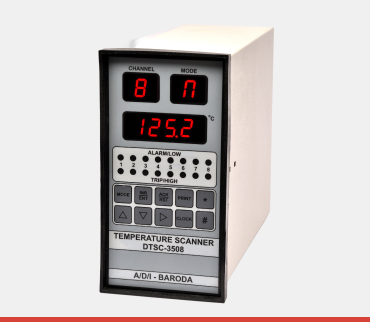
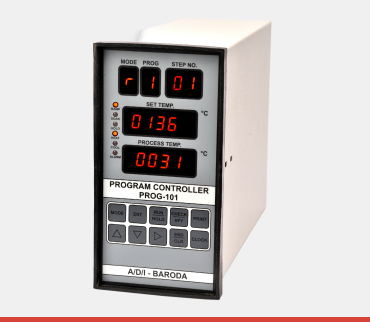
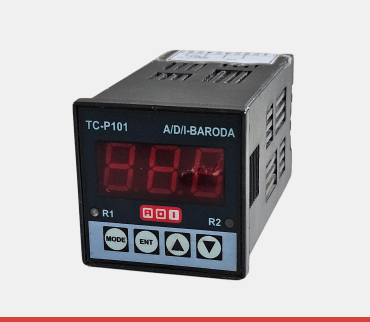
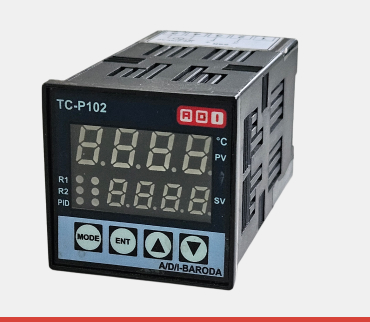
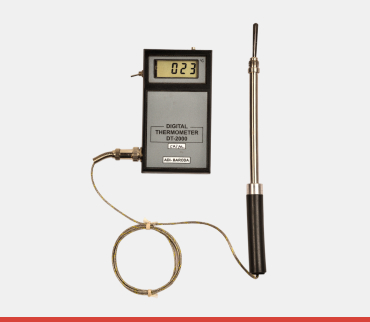
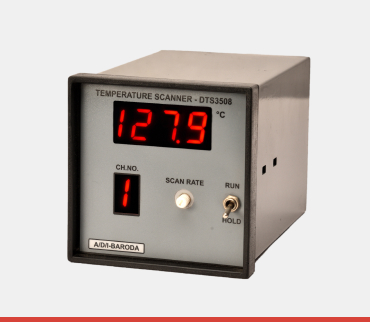
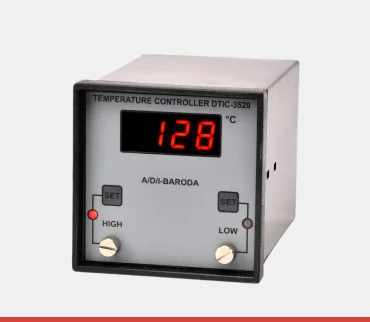
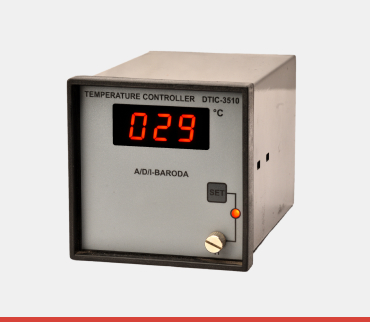
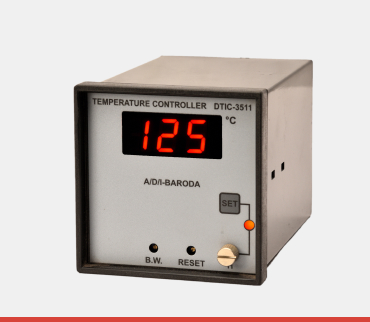
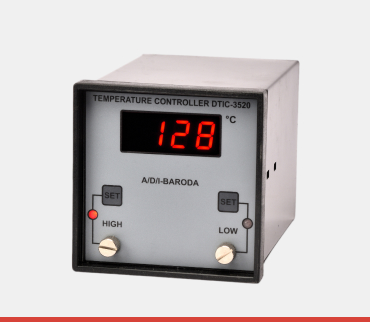
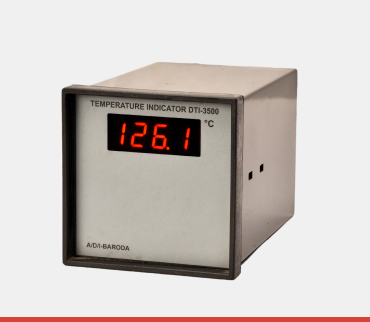
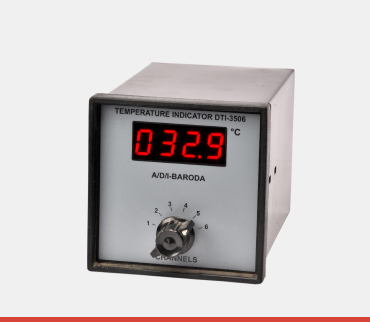
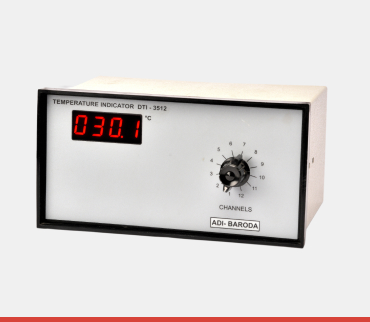
Heat treatment is a crucial industrial process involving the controlled heating and cooling of materials, particularly metals, to intentionally alter their physical and mechanical properties, such as hardness, strength, and ductility. Common heat treatment processes include annealing, tempering, quenching, and normalizing. The success and consistency of these treatments depend absolutely on precise temperature measurement and control, as even slight deviations from the required thermal curve can ruin the material batch. The primary temperature instruments and sensors used in heat treatment furnaces and ovens are Thermocouples, favoured for their robustness, wide temperature range, and relatively fast response time. Specifically, Type K (Nickel-Chromium/Nickel-Aluminium) and Type N (Nicrosil/Nisil) are common for general industrial temperatures (up to around 1200C while high-temperature applications like bright annealing utilize Type R or S (Platinum Rhodium). These sensors are connected to sophisticated Temperature Controllers (often PID controllers) and Data Acquisition Systems (DAS) that manage the furnace burners or heating elements and log the entire time-temperature profile for quality assurance and compliance records. Infrared Pyrometers are also used for non-contact spot-checking of material surface temperatures, especially during rapid cooling phases.
They measure load and force accurately during heating, soaking, and cooling processes.
High capacity, robust load cells are used to withstand temperature variations and heavy loads.
They monitor applied loads to prevent overloading during high temperature operations.
They are used in charging systems, fixtures, and material handling mechanisms.
WhatsApp us