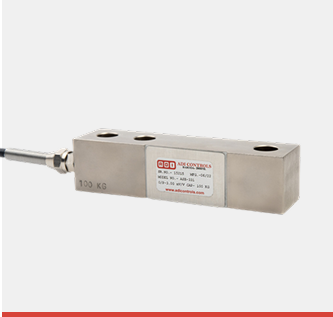
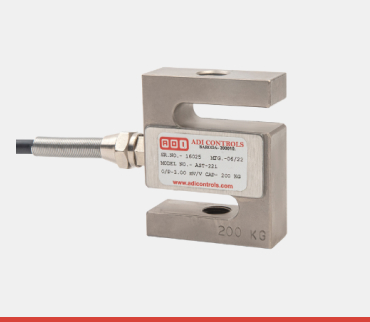
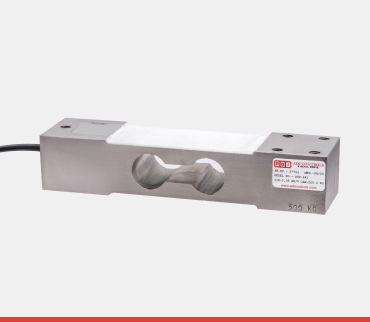
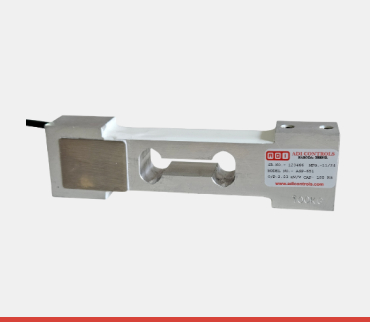
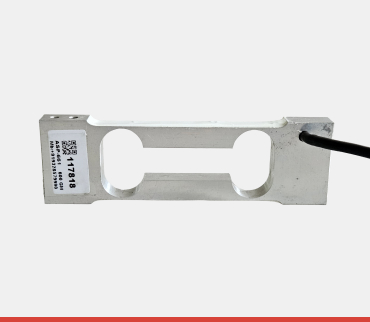
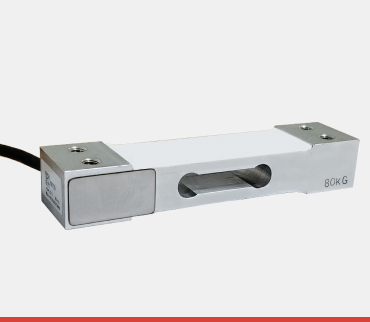
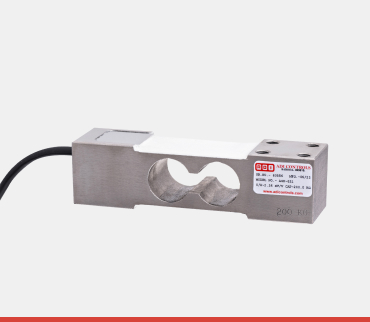
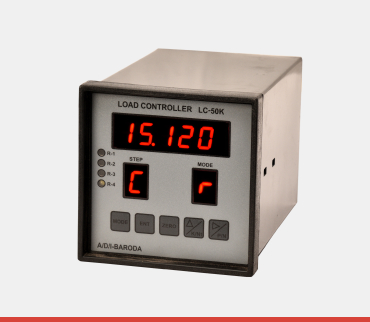
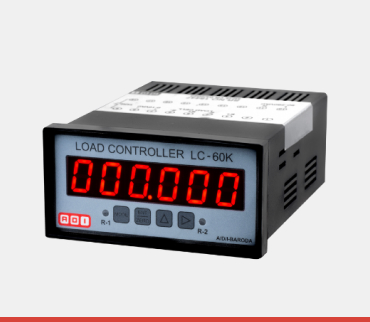
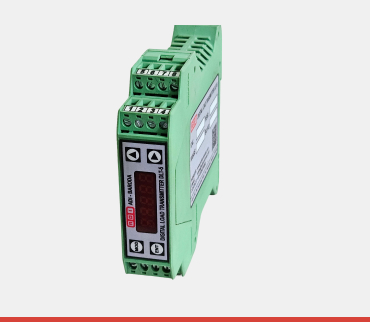
A conveyor belt scale (or belt weigher) is a dynamic weighing system that measures the mass flow rate (kg/hr or T/hr) and total weight of bulk material continuously as it moves along a conveyor, which is essential for inventory control, material blending, and custody transfer in industries like mining and quarrying. The system operates without interrupting the material flow by utilizing a weighing carriage (a frame with one or more idlers) mounted beneath the conveyor, supported by specialized strain gauge load cells (typically bending beam or shear beam types) to measure the vertical force exerted by the material. A separate speed sensor (like a tachometer or encoder wheel) measures the belt’s travel rate. The crucial weighing instrument is the Integrator (or Process Controller), which receives the signals from both the load cell(s) and the speed sensor; it continuously multiplies the weight per unit length by the speed to derive the accurate flow rate and then integrates this rate over time to determine the total mass. Furthermore, the Integrator incorporates advanced software to perform zero tracking, which automatically compensates for the varying tare weight of the empty conveyor belt to ensure only the material’s net weight is accurately accounted for.
Conveyor belt scales measure material flow rate and total throughput directly on the moving belt.
Shear beam or bending beam load cells are commonly used for accurate dynamic weighing.
Yes, they provide real time weight and flow data without interrupting the conveyor process.
They sense the force from the weighing idler and convert it into an electrical signal for weight measurement.
WhatsApp us