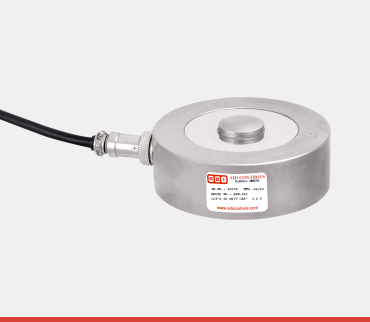
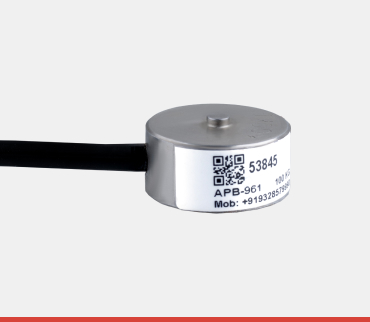
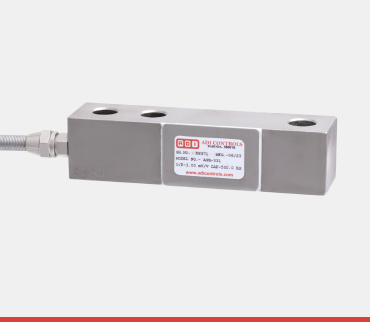
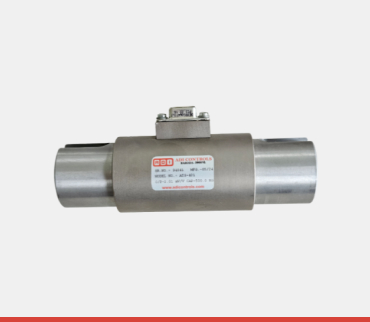
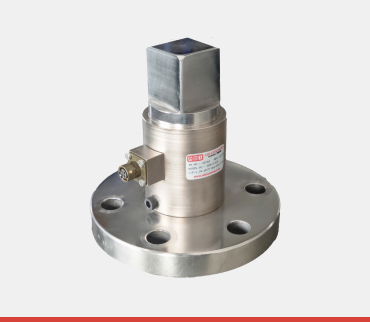
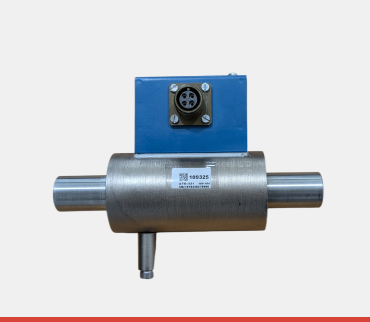
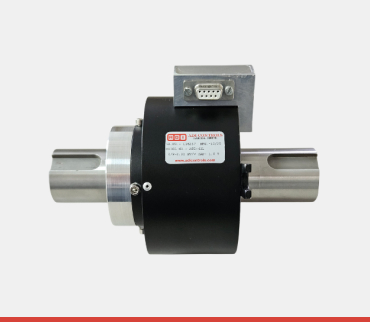
In modern industrial automation, the precise control of material flow is crucial for efficiency and quality. Load cells and sophisticated weighing instruments are central to achieving this control, forming the critical feedback loop in automated processes like batching, filling, sorting, and checkweighing. Load cells (e.g., S-Type, Shear Beam, or Compression) act as high-accuracy sensors, converting physical weight into a standardized electrical signal. This analog signal is then processed by a specialized weighing controller or instrument—often a fast, high-resolution digital device—which amplifies the signal, filters out noise, and executes complex control logic. These instruments use the precise weight data to automatically manage valves, feeders, and conveyors, enabling repeatable, sub-second control of ingredient cut-off, ensuring every automated batch or product meets tight specifications without the need for manual intervention, thereby maximizing throughput and minimizing waste.
They help control, monitor, and optimize processes to improve efficiency and consistency.
They reduce manual intervention and ensure precise control of industrial processes.
Load cells provide accurate weight and force data for automated control systems.
Yes, load cells enable real time data collection for analysis and process optimization.
WhatsApp us