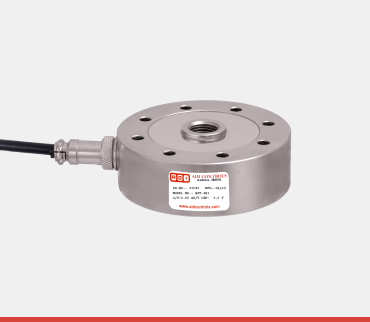
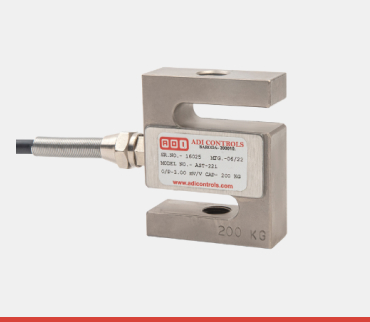
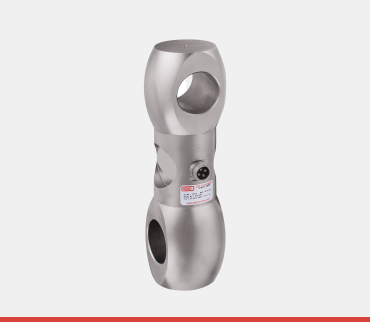
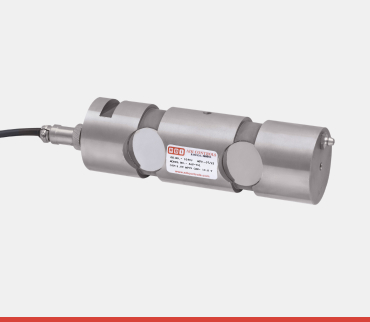
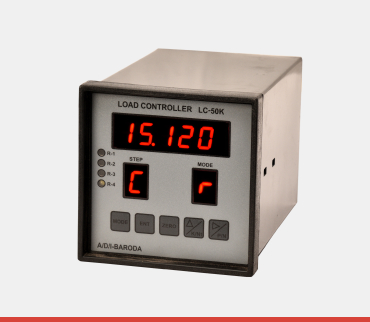
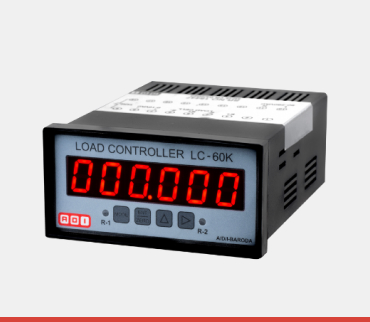
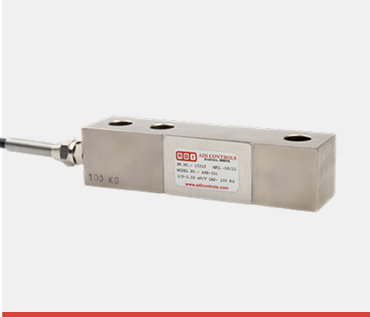
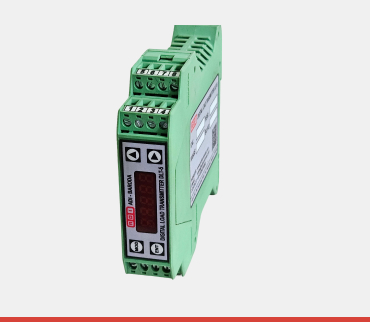
The aerospace industry demands extremely precise and reliable force and weight measurement systems for critical applications in design, testing, and maintenance, where safety and performance are paramount. Key uses include measuring engine thrust and static lift forces during R&D and certification; structural fatigue testing on airframe components, wings, and landing gear; and precise aircraft centre of gravity (CG) weighing for flight safety and fuel efficiency. Due to the high-stakes environment, specialized, high-capacity, and high-frequency load cells are employed, typically Canister/Column Load Cells and Pancake (Low-Profile) Load Cells for static and dynamic compression testing of structures, and Tension Link Load Cells or Load Pins for thrust measurement and component tensile testing. For precise CG measurement, platforms containing highly accurate Compression Load Cells are placed under the main gear and nose gear. These sensors are connected to sophisticated Data Acquisition Systems (DAS) and specialized Weighing Indicators that are capable of managing complex multi-channel inputs, filtering high-frequency noise, and providing validated, traceable force and weight data essential for airworthiness certification and FAA compliance.
They help verify strength, balance, and load tolerance during critical component testing.
They ensure controlled force application while positioning and fastening sensitive assemblies..
Yes, they are designed to measure fluctuating and repetitive loads during fatigue and stress tests.
Traceability ensures every load reading meets documented quality and regulatory requirements.
WhatsApp us