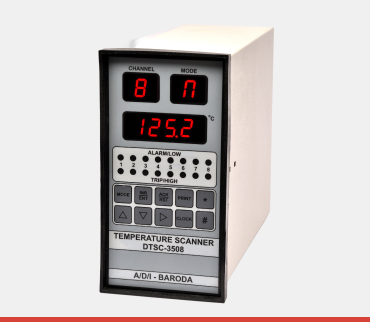
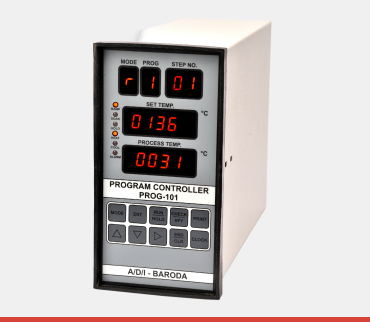
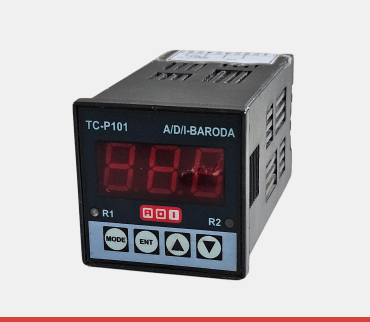
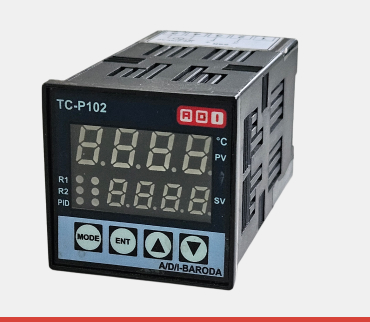
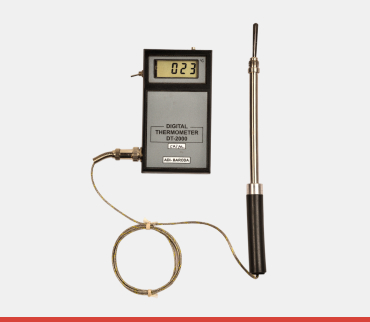
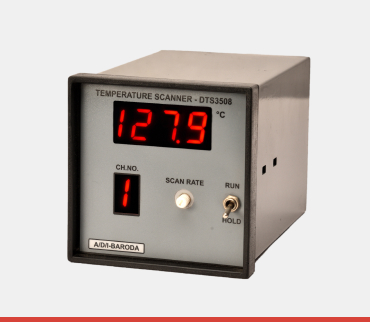
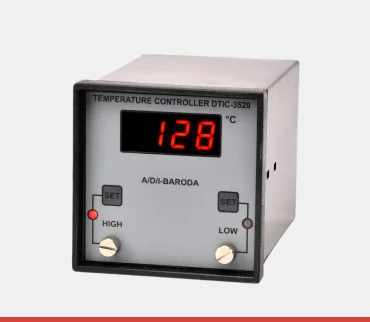
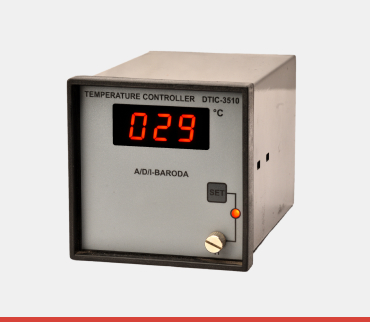
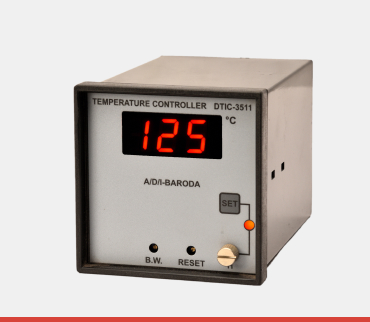
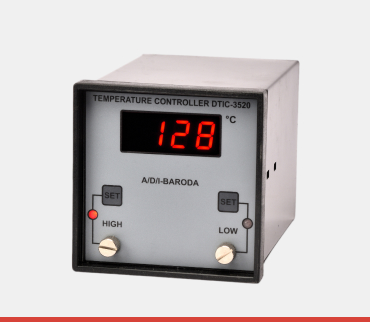
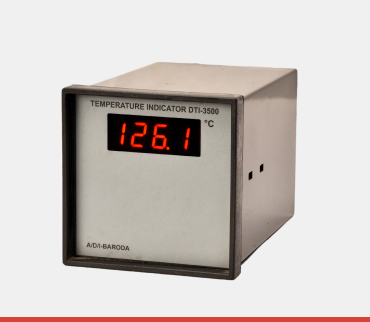
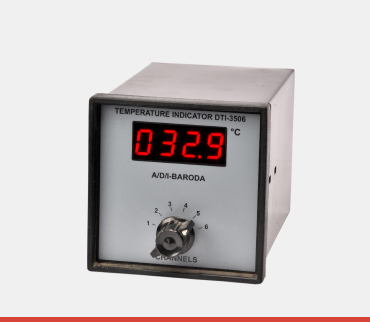
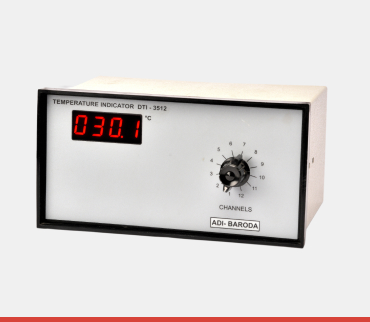
A heat furnace (or industrial oven) is a controlled enclosure used across many heavy industries, including metallurgy, glass manufacturing, and ceramics, to subject materials to extremely high temperatures for processes like smelting, forging, sintering, and thermal bonding. Because the temperatures involved are high (often exceeding 1000C) and the heating profiles must be precisely followed to ensure product quality and integrity, reliable temperature measurement is critically important. The dominant temperature sensors used are Thermocouples, favoured for their ruggedness, wide operating range, and fast dynamic response. Specifically, Base Metal Thermocouples (like Type K or N) are used for moderate industrial temperatures, while higher temperature applications require Noble Metal Thermocouples (like Type R or S), which are sheathed in protective ceramic or metal to shield them from the corrosive and intense environment inside the furnace. These sensors feed their signals to sophisticated, multi-loop Temperature Controllers and Programmers that manage the fuel flow or electric heating elements to maintain the required setpoint and time-temperature ramp rates. Additionally, Infrared Pyrometers are often utilized for non-contact measurement of the target material’s surface temperature, especially when the material is moving or when direct contact is impractical.
Load cells measure material weight and applied load during furnace operations.
Robust, high capacity load cells are used to withstand heavy loads and harsh conditions.
They monitor load conditions to prevent overloading during high temperature processes.
Yes, they connect with indicators and controllers for real time monitoring and control.
WhatsApp us