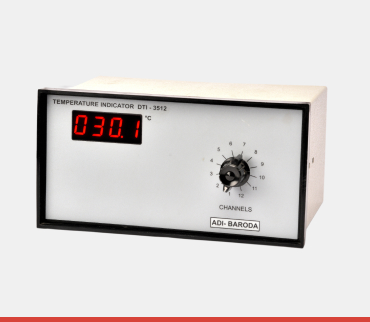
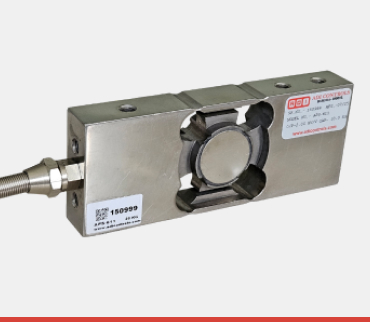
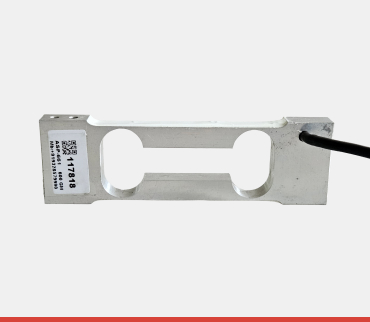
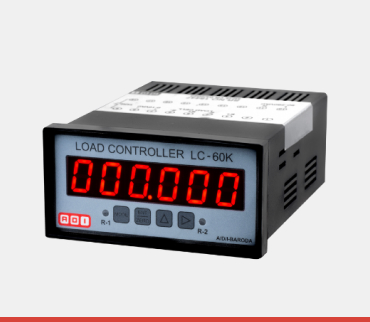
Laboratory testing encompasses a vast range of procedures, from material science and quality assurance to biotechnology and pharmaceutical R&D, all of which require highly accurate and controlled measurement of mass and force. Due to the need for extreme precision and minimal sample size, the primary weighing instruments are high-resolution Analytical Balances (capable of measuring down to 0.1 mg or 0.01 mg and Microbalances (measuring in micrograms), which are essential for sample preparation, chemical formulation, and quantitative analysis. For force-related applications, such as material strength testing (tension, compression, flexure), torque testing, or measuring the force applied by precision dispensing systems, specialized, small-capacity, and highly linear Miniature Load Cells or Button/Pancake Load Cells are employed. These load cells are connected to highly sensitive Digital Force Gauges or advanced Universal Testing Machine (UTM) Controllers that process the signal, perform complex calculations (like stress and strain), and log data for strict quality control and research documentation.
They provide precise force and weight measurement for reliable test results.
Low capacity, high accuracy load cells are commonly used for sensitive measurements.
Yes, they are designed for high resolution and repeatability in lab environments.
Yes, they are compact, stable, and ideal for bench top and testing equipment.
Load cells help measure weight and force in HVAC components for monitoring and control.
They are commonly used in equipment testing, component weighing, and load measurement setups.
Yes, they are available in multiple capacities to suit different equipment sizes.
Yes, they provide reliable force data under dynamic operating conditions.
WhatsApp us