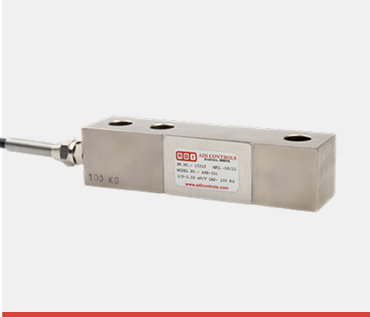
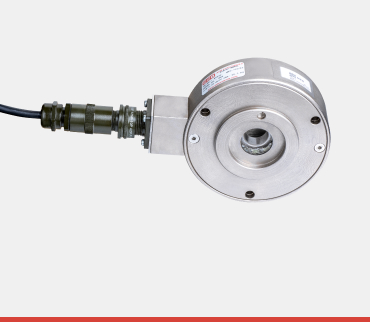
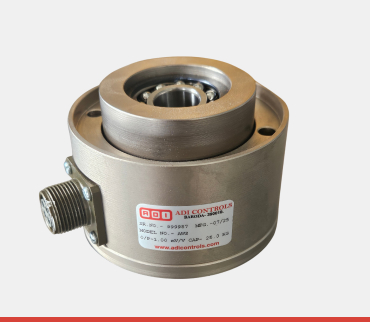
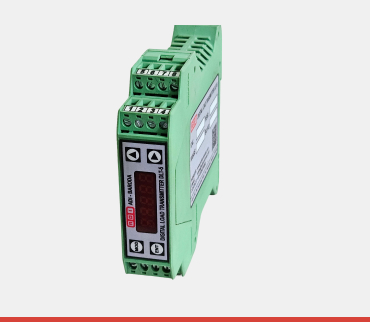
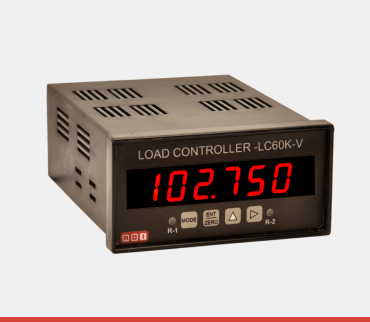
Textile machinery relies heavily on precise force measurement for tension control across all processes, from weaving and knitting to dyeing and finishing, as maintaining consistent fabric or yarn tension is paramount to preventing defects like stretching, warping, and breakage, thereby ensuring a high-quality product. The primary instruments used for this control are specialized Web Tension Load Cells and Miniature Load Cells, which are typically strain-gauge-based sensors mounted directly onto the guide rollers (idler rolls) or shafts of the winding/unwinding reels. These specialized load cells are often of a low-profile or miniature design due to limited space, and they are engineered to measure the radial force exerted by the material, which is then converted by an Electronic Tension Controller into a real-time tension value (usually in Newtons). This controller then uses this feedback in a closed-loop system to automatically adjust the speed, torque, or braking mechanism of the roller drives, ensuring the fabric remains at the optimal, constant tension throughout the high-speed operation. Outside of tension control, standard bench scales and high-precision balances are also used in quality control labs for measuring
Load cells measure yarn or fabric tension to maintain consistent quality during production.
Proper tension control helps reduce yarn breakage and improves fabric uniformity.
Load cells are placed at key tension points such as yarn paths, rollers, and winding sections.
Yes, they provide accurate tension control across a wide range of textile materials.
WhatsApp us