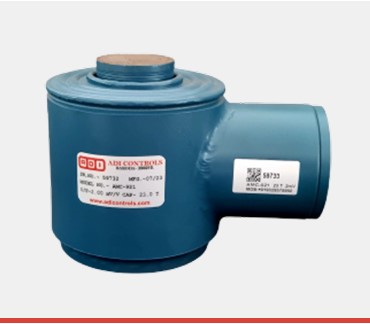
A rail weighing system, often referred to as a rail weighbridge or train scale, is a specialized, high-capacity system used to measure the weight of rail cars, locomotives, or entire trains, either statically (when stationary) or in-motion (WIM) as they pass over the track. This is essential in industries like mining, logistics, and bulk transport for inventory control, billing purposes (custody transfer), and critically, for safety compliance by preventing railcar overloading or uneven load distribution which can cause track damage or derailments. These systems are highly robust and designed to withstand the harsh environmental conditions and immense impact forces inherent to railway operations. The weighing instruments determine the individual wheel, axle, or bogie weights which are then summed to get the total weight of the railcar.
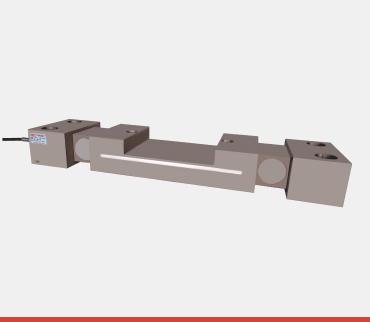
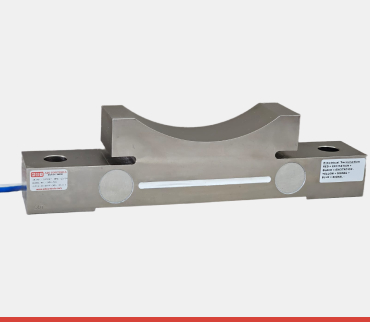
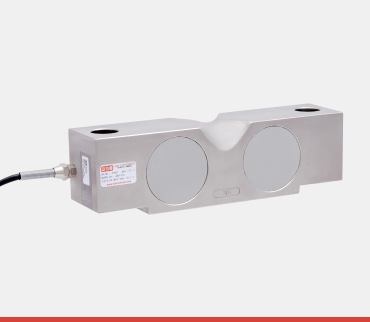
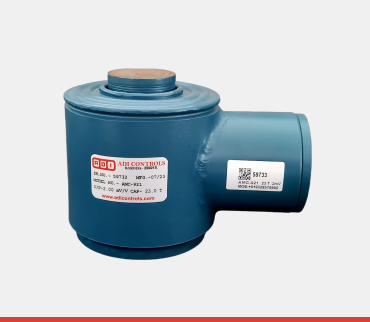
The primary instruments used are:
Rail weighing systems measure the weight of wagons or railcars for accurate load monitoring and billing.
High capacity compression load cells are used to handle heavy axle and wagon loads.
Yes, they support both static and in motion weighing depending on system configuration.
Load cells are mounted beneath rails or platforms to directly measure applied wheel or axle loads.
WhatsApp us