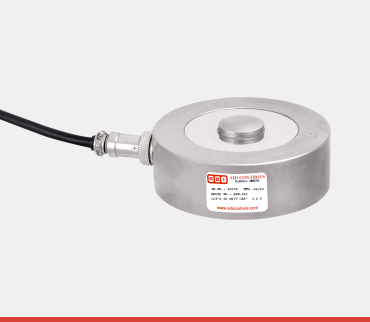
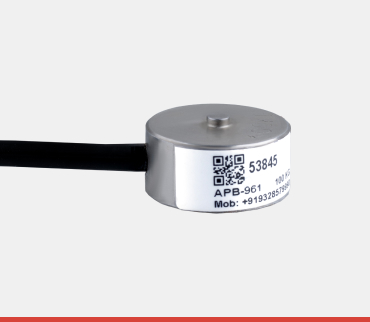
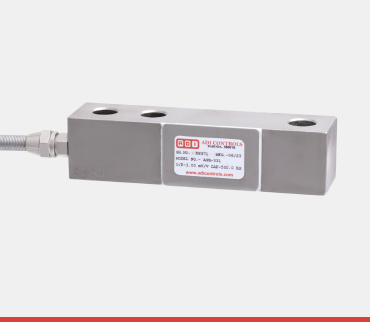
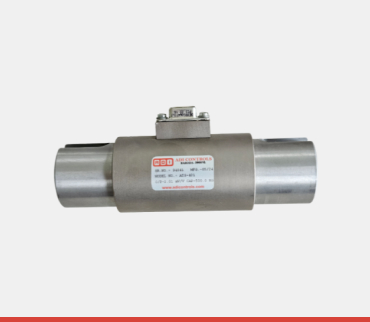
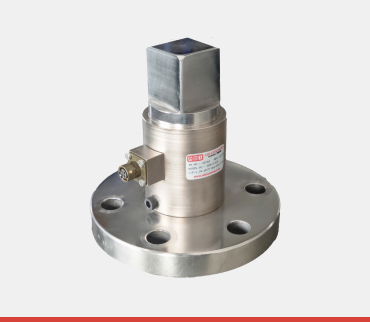
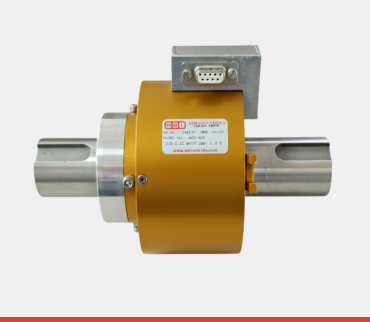
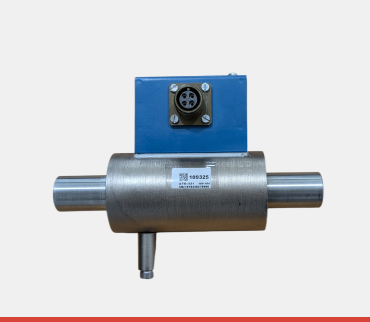
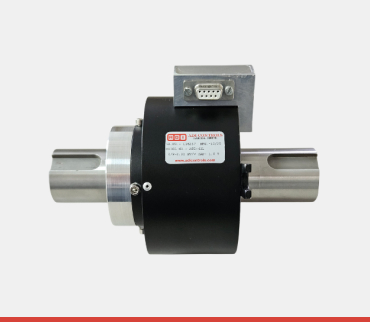
In the automotive industry, load cells and precision weighing instruments are critical across the entire manufacturing lifecycle, from component testing to final assembly and quality control. Load cells are extensively used in Universal Testing Machines (UTMs) and fatigue testing rigs to measure the precise force required to bend, break, or deform materials and finished parts (like suspension components or brake assemblies), ensuring they meet strict safety and durability standards. Furthermore, in assembly lines, load cells are integrated into robotic grippers and specialized fixtures for force feedback control, ensuring components are pressed, torqued, or fitted with the exact required force. High-speed weighing instruments are also used for 100% checkweighing of small parts and sub-assemblies (e.g., piston rings, sensors, bolt kits) to prevent missing or incorrect components from reaching the final vehicle, thus guaranteeing the highest levels of quality and regulatory compliance.
Load cells measure force and weight during assembly, testing, and quality control processes.
Accurate measurements ensure component quality, safety, and consistent vehicle performance.
They help maintain tight tolerances and reduce defects in components.
Automation improves production speed, accuracy, and consistency across processes.
WhatsApp us